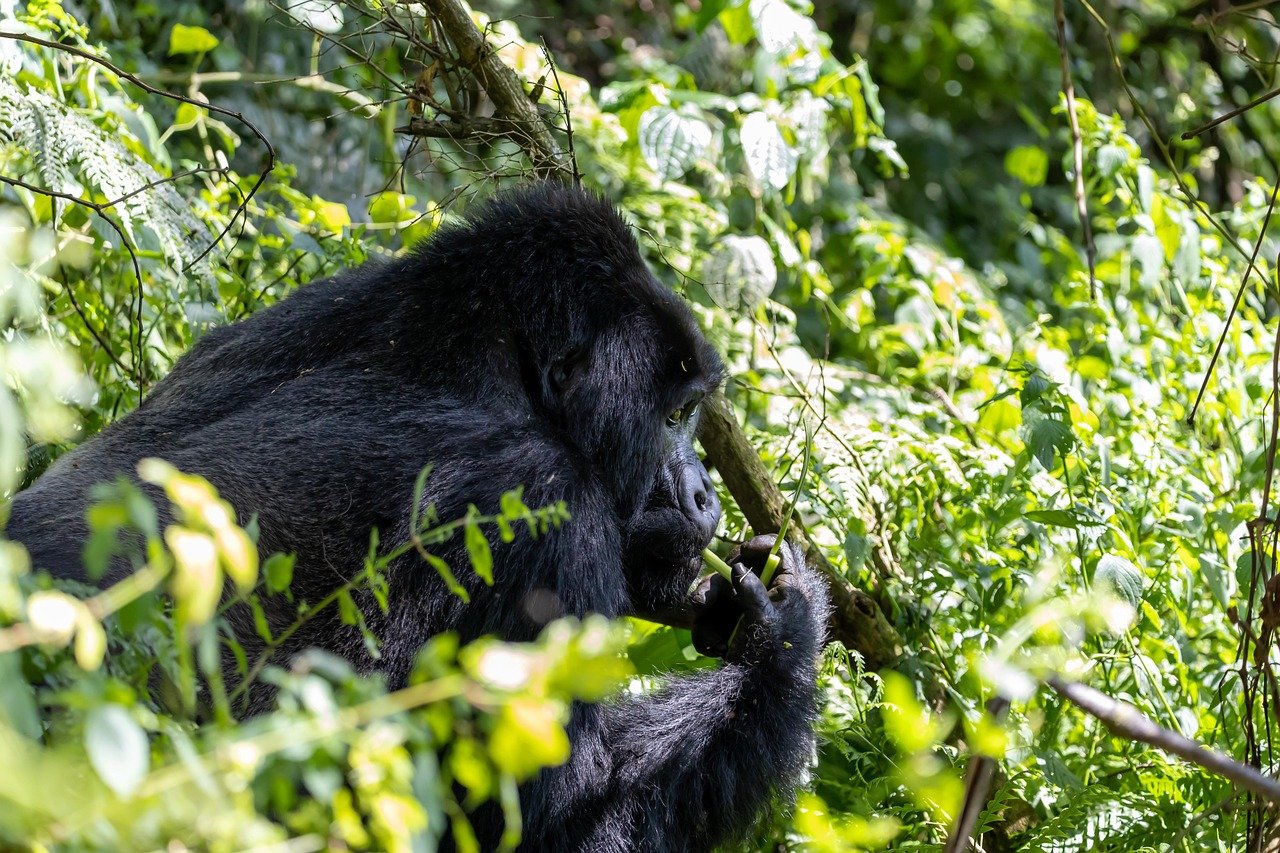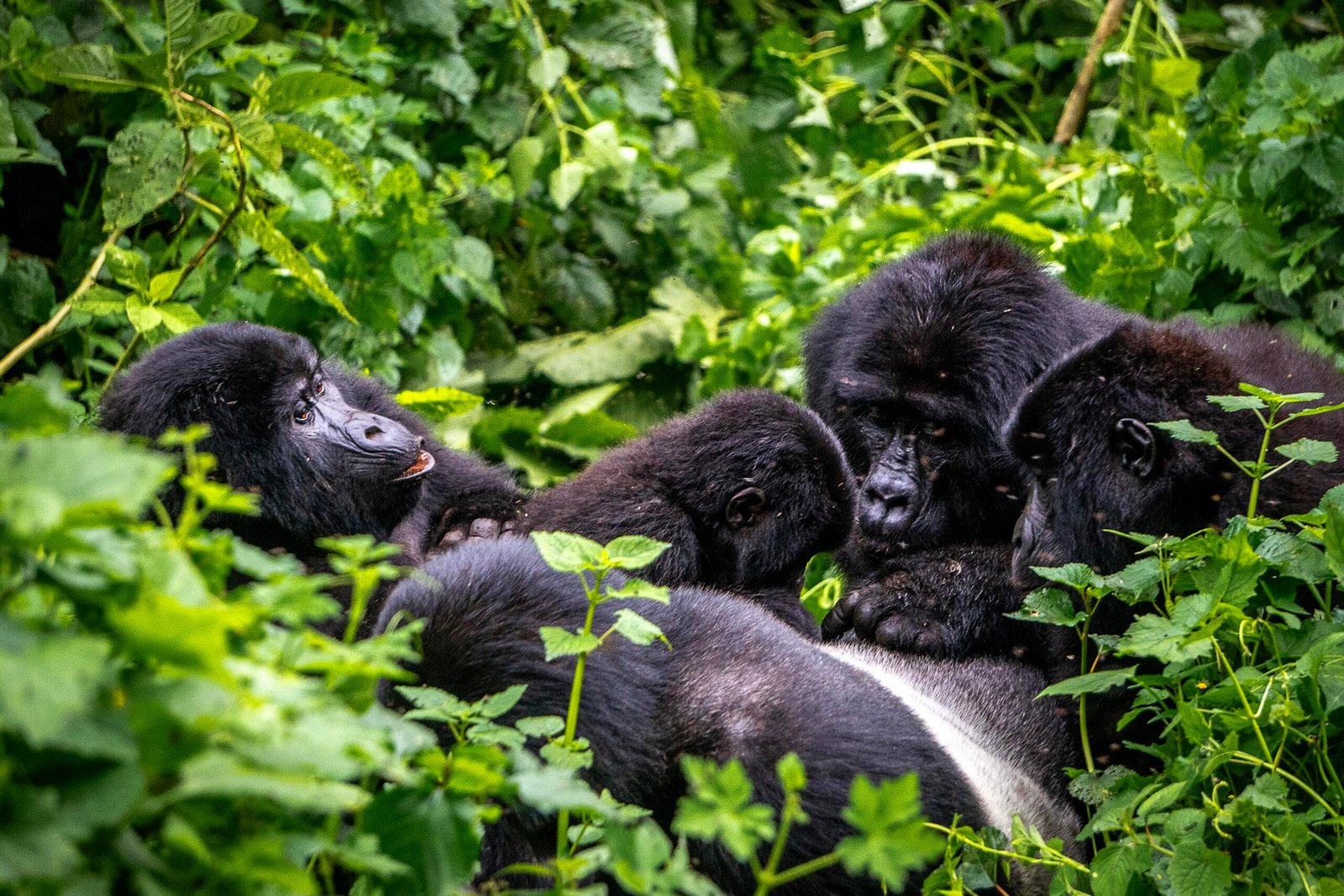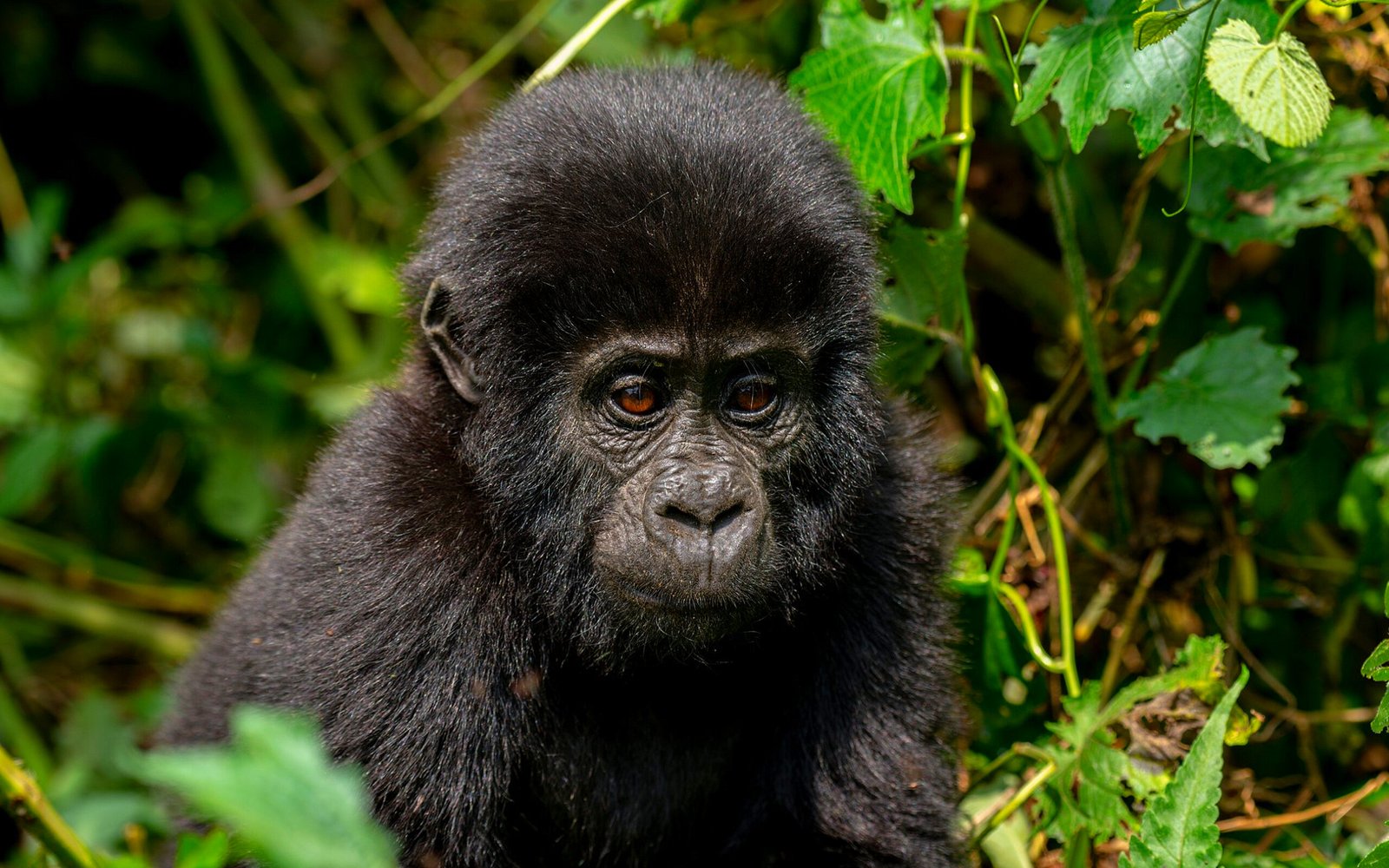
Mountain gorillas were once projected to go extinct by the year 2000. Instead, their population has climbed to just over 1,000 individuals across the Virunga park and Bwindi Impenetrable Forest one of the few great ape conservation stories moving in the right direction. Here’s what’s actually driving that recovery.
Direct poaching of gorillas has dropped sharply thanks to coordinated ranger patrols across Uganda, Rwanda, and the DRC. Snares set for other bushmeat still injure gorillas that wander into them, so anti-poaching units continue daily patrols to locate and remove traps before they cause harm. Habitat encroachment for farmland and fuelwood remains a bigger long-term pressure than hunting itself.
Conservation: Rangers, Vets, and Reforestation
Each habituated gorilla family is monitored daily by trackers and rangers, with veterinary teams on call for injury or illness a level of individual animal care that’s rare in wildlife conservation. Reforestation projects around Bwindi and the Virunga parks are also working to reclaim degraded habitat and reconnect fragmented forest corridors.
Permits: Conservation’s Main Funding Engine Poaching
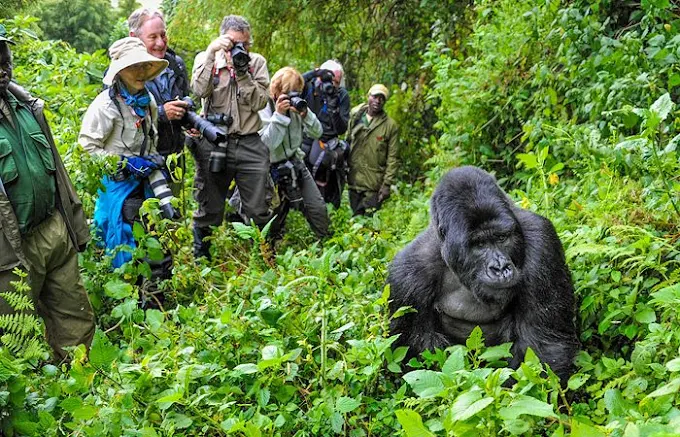
Gorilla permits aren’t just an entry ticket they’re the financial backbone of the whole system. Uganda’s permit runs $800 for foreign non-residents (with discounted low-season rates as low as $600), while Rwanda’s costs $1,500. That revenue funds ranger salaries, anti-poaching patrols, veterinary care and research. It’s a rare case where the tourist experience and the conservation outcome are directly, financially linked: no visitors, no funding, no protection.
Local Communities: The Deciding Factor
None of this holds without the people living alongside the parks. Uganda channels a share of park revenue directly to communities bordering Bwindi and Mgahinga, funding schools, clinics and water access, while employment as guides, porters and rangers gives residents a direct stake in keeping the forest intact. Where that revenue-sharing breaks down or communities see too little benefit, poverty pressure on the forest tends to rise again which is why permit fraud and mismanagement are taken seriously as conservation threats in their own right, not just financial ones.
The Takeaway
Gorilla conservation in East Africa isn’t a single program it’s rangers on patrol, vets on call, forests being replanted and villages with a genuine stake in the outcome, all funded by the same permit fee a trekker pays to spend an hour with a gorilla family. It’s one of the clearest examples of tourism directly bankrolling a species survival.