Gorilla trekking raises more practical questions than almost any other safari activity partly because it’s physically demanding, partly because it’s expensive and partly because no one can promise exactly what will happen in the forest. Here are straight answers to the questions travelers ask most.
The Basics
- Is gorilla trekking worth it?
For most travelers, yes spending an hour a few meters from a wild mountain gorilla family is unlike any other wildlife encounter on the planet, and permit fees go directly into keeping the species alive. The honest answer it’s expensive and physically demanding, so it suits travelers prepared for both.
- Can children trek gorillas?
No the minimum age is 15, enforced across all countries
- Can seniors and physically disabled trekkers go?
There’s no upper age limit, and older trekkers do this regularly. Treks range from under an hour to several hours over steep, sometimes muddy terrain, so fitness matters more than age. Porters can carry bags and provide physical support.
- What happens if it rains?
Trekking goes ahead regardless of weather — gorillas live in the rainforest, so rain is normal, not a reason to cancel. Trails simply get muddier and slower. Waterproof boots and a rain jacket are essential gear, not optional extras.
- What if I don’t find gorillas?
Sighting success rates run above 95%, since trackers head out at dawn to locate each family before trekkers arrive. In the rare case a group isn’t found, Uganda’s Wildlife Authority typically offers a partial refund or a rescheduled trek, at their discretion policies vary by park and circumstance.
Planning and Logistics
- How much does a gorilla permit cost?
Uganda charges $800 for foreign non-residents ($600 in the discounted April, May, and November low season). Rwanda charges a flat $1,500. Both prices are set by the respective wildlife authorities, not tour operators.
- How long does gorilla trekking actually take?
The hike to find a gorilla family can take anywhere from 30 minutes to 8 hours, depending on where the family is that day. Once found, every group gets exactly one hour with the gorillas, strictly timed by rangers.
- How fit do I need to be?
Moderate fitness is enough for most treks, but trails climb steep, uneven sometimes muddy terrain at altitude. If you have any doubts, mention it when booking operators can often request a family known to be closer to the trailhead.
- What should I pack?
Waterproof hiking boots, a rain jacket, long trousers, gardening gloves (for gripping vegetation), a hat, and a daypack with water. Layering matters, since mornings are cool and the forest is humid.
- How far in advance should I book permits?
Six months ahead is standard advice, especially for June–September and December–February. Uganda sells only 96 gorilla permits a day across its parks, so demand regularly outstrips supply in peak months.
In the Forest
- How close can I get to the gorillas?
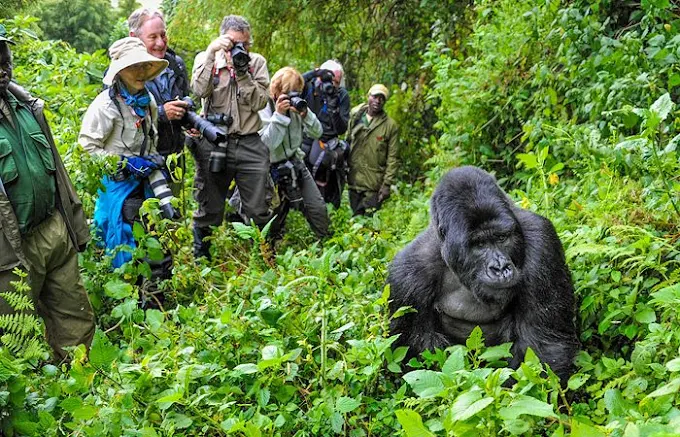
Regulations require staying at least 7 meters (about 21 feet) from the gorillas, though they don’t always respect that boundary themselves. Rangers manage distance and behavior throughout the visit.
- Is gorilla trekking safe?
Yes, when guided by trained rangers who know how to read gorilla behavior. Habituated gorillas are accustomed to human presence and rarely act aggressively; when they do, staying low and calm as instructed at the briefing resolves it.
- Can I take photos and video?
Yes, but flash photography is banned, since it can startle or distress the gorillas. A camera with good low-light performance is more useful than a flash in the dim forest interior.
- What happens if a gorilla charges at me?
Follow the ranger’s instructions exactly: crouch down, avoid direct eye contact, and stay silent. It’s typically a bluff charge meant to assert dominance, not an attack, and rangers are trained to de-escalate these moments calmly.
- Can I hire a porter?
Yes, and it’s worth it even for fit trekkers — porters carry your bag, help you over difficult terrain, and their fee goes directly to community members living around the park. Most trekkers tip $15–20 for the day.
Health and Documentation
- What vaccinations do I need?
Yellow fever vaccination is mandatory for entry into Uganda and Rwanda. A doctor’s advice on typhoid, hepatitis A, and malaria prophylaxis is also standard pre-trip guidance for East Africa.
- Do I need a visa?
Most nationalities need a visa for Uganda and Rwanda, available on arrival or online in advance (Rwanda’s East Africa Tourist Visa also covers Kenya). Check current requirements for your passport before booking.
- Do I need travel insurance?
Strongly recommended — gorilla permits are largely non-refundable, and insurance can cover trip disruption, medical evacuation, and lost gear. Given trek costs, the insurance premium is a small fraction of the total trip value.
- Can I trek if I’m sick?
No — because gorillas share around 98% of human DNA, they’re highly vulnerable to human respiratory illnesses, and a common cold can be fatal to them. Wardens can turn away visibly ill trekkers at the briefing, sometimes with a partial refund.
- Will I be trekking with a large group?
No — each gorilla family is visited by a maximum of 8 trekkers per day, keeping groups small and limiting stress on the gorillas.
Understanding the Experience
- What’s the difference between gorilla trekking and gorilla habituation?
Standard trekking gives you one hour with a fully habituated family. Habituation experiences (offered in Uganda’s Bwindi) let you spend up to four hours with a family still being acclimatized to humans, alongside researchers and trackers — for a higher permit fee.
- Which park is best for gorilla trekking?
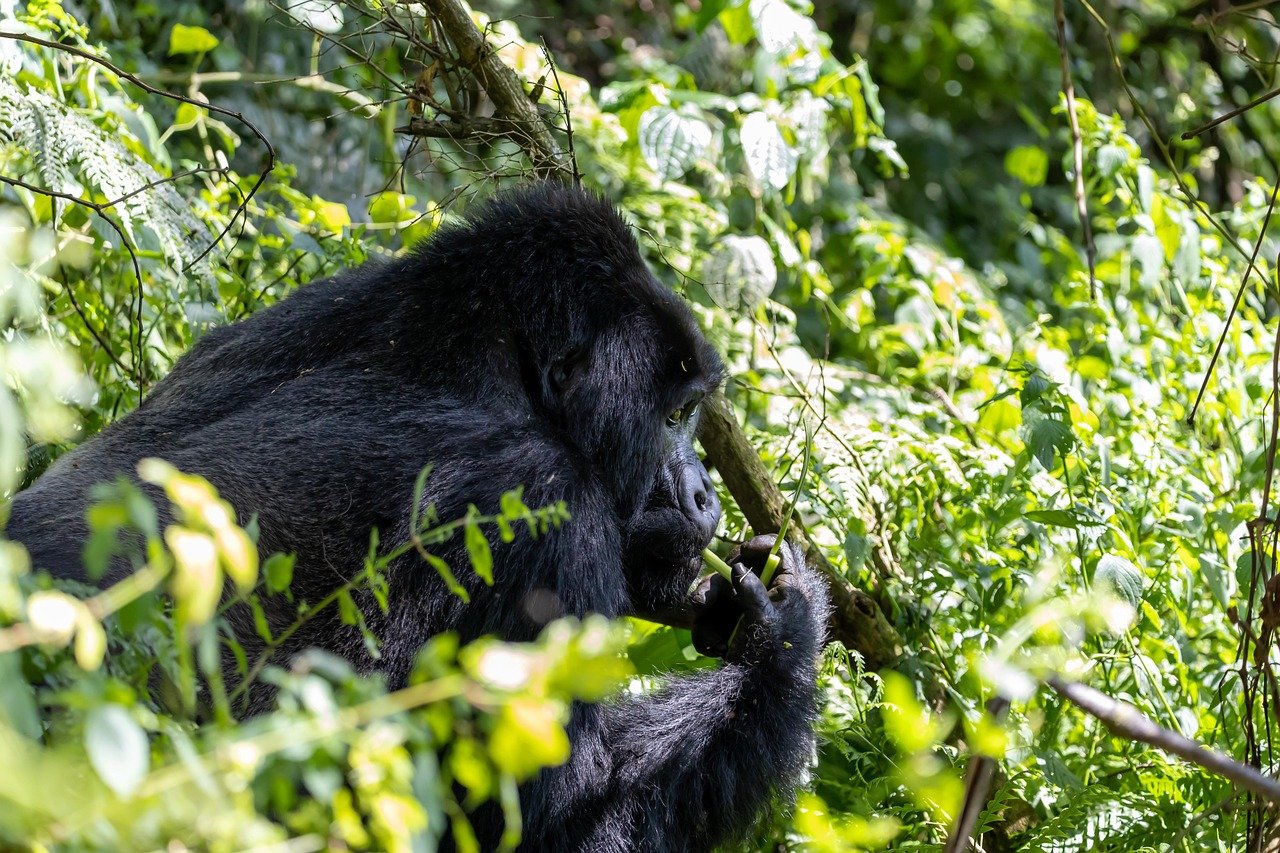
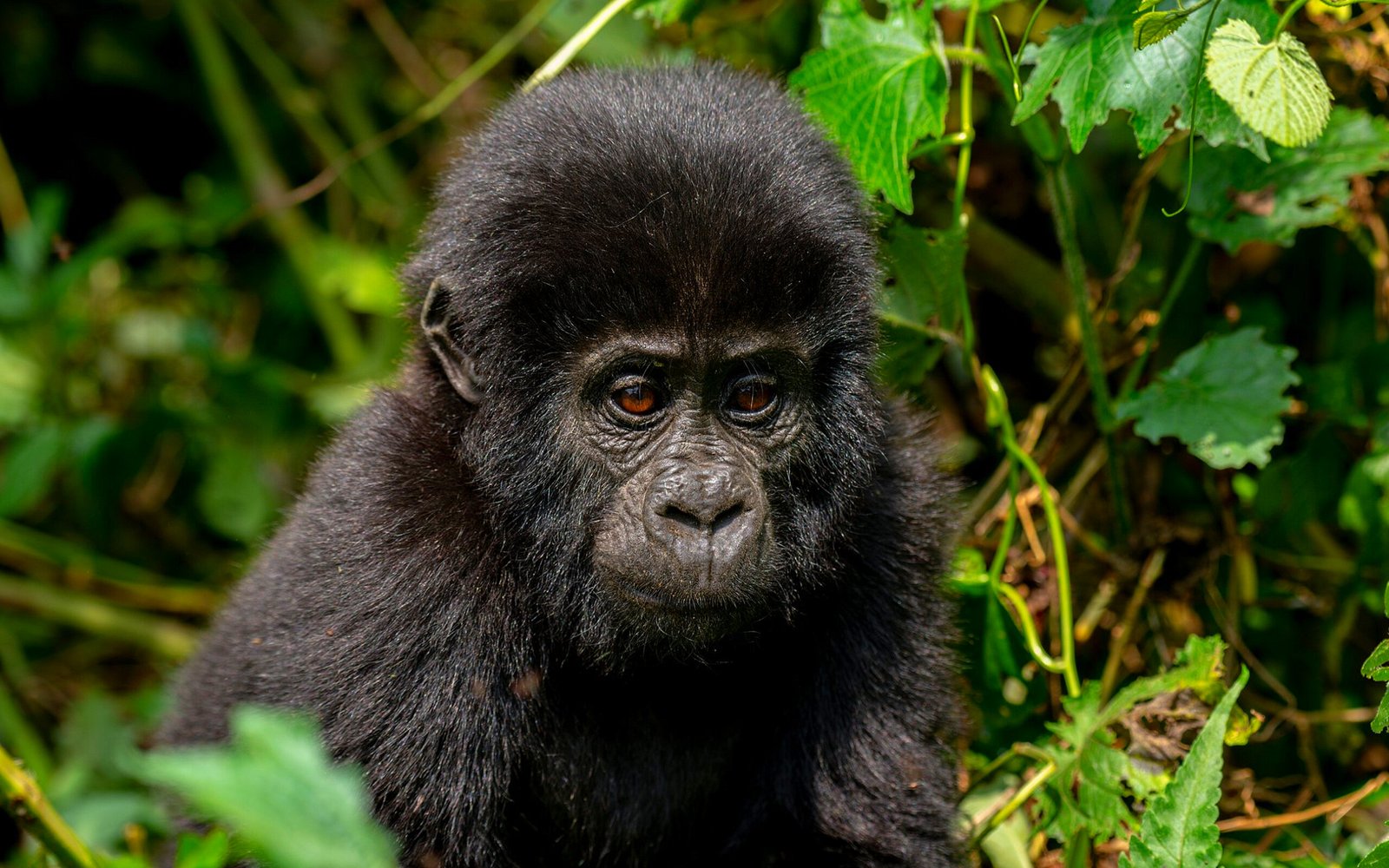
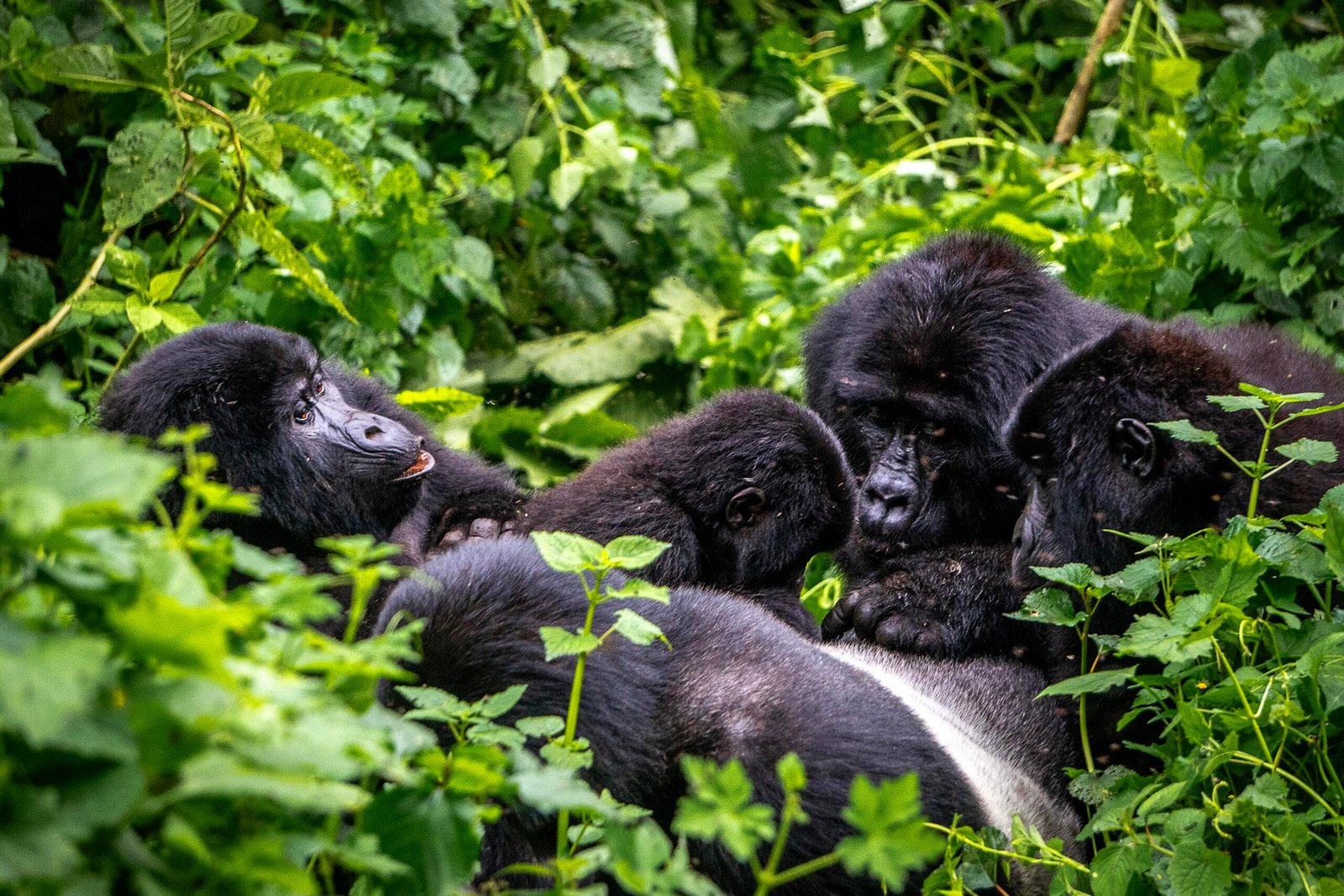
Uganda’s Bwindi Impenetrable Forest holds roughly half the world’s mountain gorillas across multiple habituated families and trailheads. Rwanda’s Volcanoes National Park has easier terrain and shorter transfer times from Kigali, at a higher permit price.
- Is gorilla trekking ethical?
When properly regulated, yes — permit revenue funds the ranger patrols, veterinary care, and community programs that have brought mountain gorillas back from the edge of extinction. The ethics hinge on operators and authorities enforcing distance rules, group size limits and health screening consistently.
- What’s the real difference between trekking in Uganda versus Rwanda?
Uganda is cheaper and offers more trailheads and gorilla families, but terrain is steeper and treks can run longer. Rwanda is pricier with a single trekking park, but transfers are shorter and trails are generally gentler a meaningful factor for less experienced hikers.