The Rwenzori Marathon: How Uganda’s Mountain Race Is Transforming Sports, Tourism and Kasese
What began in 2022 as an idea to put the Rwenzori region on the map has become Uganda’s first World Athletics Label Road Race — and one of East Africa’s fastest-growing tourism stories.
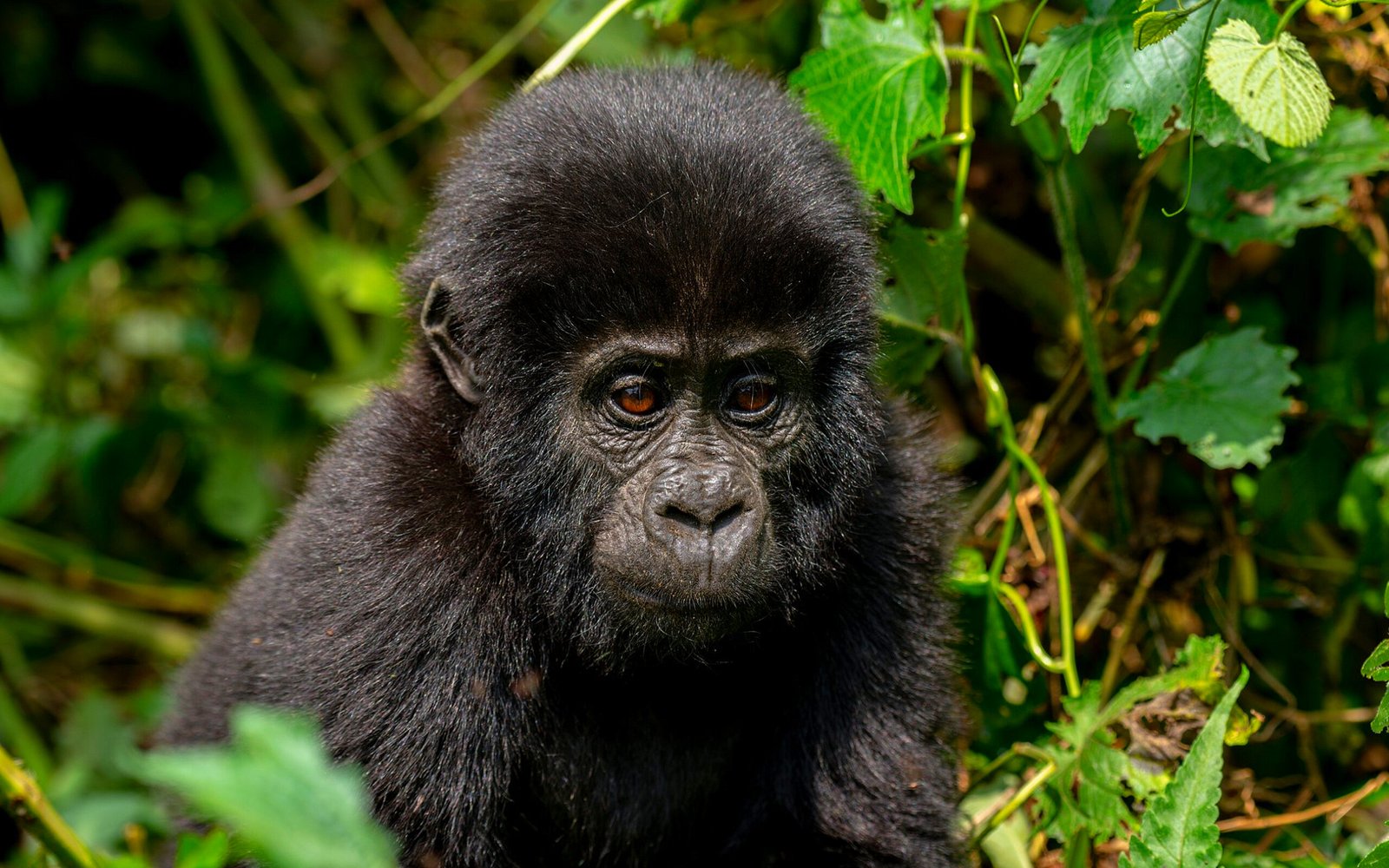
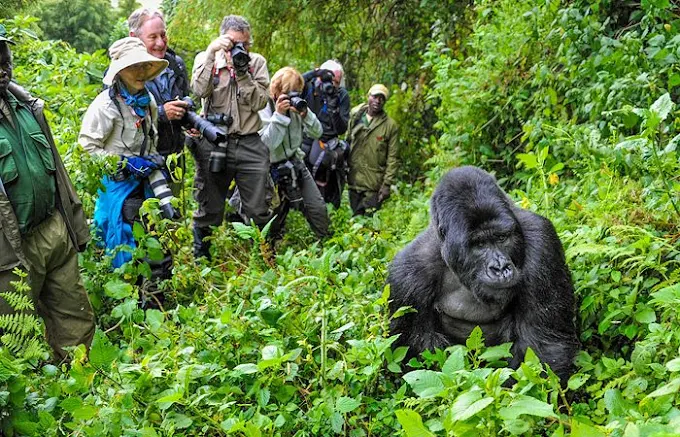
Uganda is internationally known for mountain gorillas, chimpanzees, savannah wildlife, the River Nile and its remarkable landscapes. But a new form of tourism is adding another dimension to the country’s story: sports tourism.
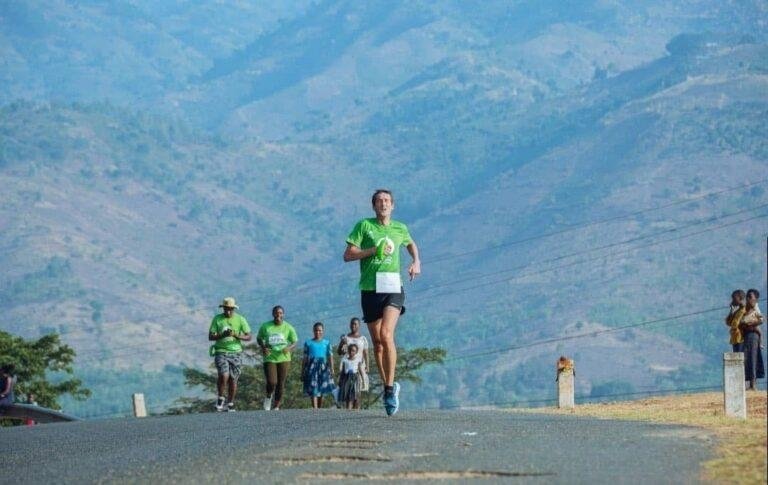
At the centre of this movement is the Tusker Lite Mt. Rwenzori Marathon, an annual road race held in Kasese in western Uganda. What began in 2022 as an ambitious idea to put the Rwenzori region on the international tourism map has rapidly developed into a major destination event.
The race combines athletics, adventure, nature, culture and tourism in a way few events in Uganda do. Runners don’t simply arrive, compete and leave — they’re introduced to the landscapes around the Rwenzori Mountains, the Equator, Queen Elizabeth National Park and the communities of western Uganda.
What Is the Rwenzori Marathon?
The Tusker Lite Mt. Rwenzori Marathon is a road-running event based in Kasese District, at the foothills of the Rwenzori Mountains. The 2026 edition offers 42 km, 21 km, 10 km and 5 km categories, scheduled for 22 August 2026 in Kasese.
Its most distinctive feature is its setting: the marathon connects the Equator, Queen Elizabeth National Park, Kasese town and the Rwenzori Mountains, giving participants a running experience surrounded by some of Uganda’s most spectacular scenery. Organizers describe it as a race where runners can “cross the Equator” while experiencing the Rwenzori landscape.
The Story Behind the Marathon
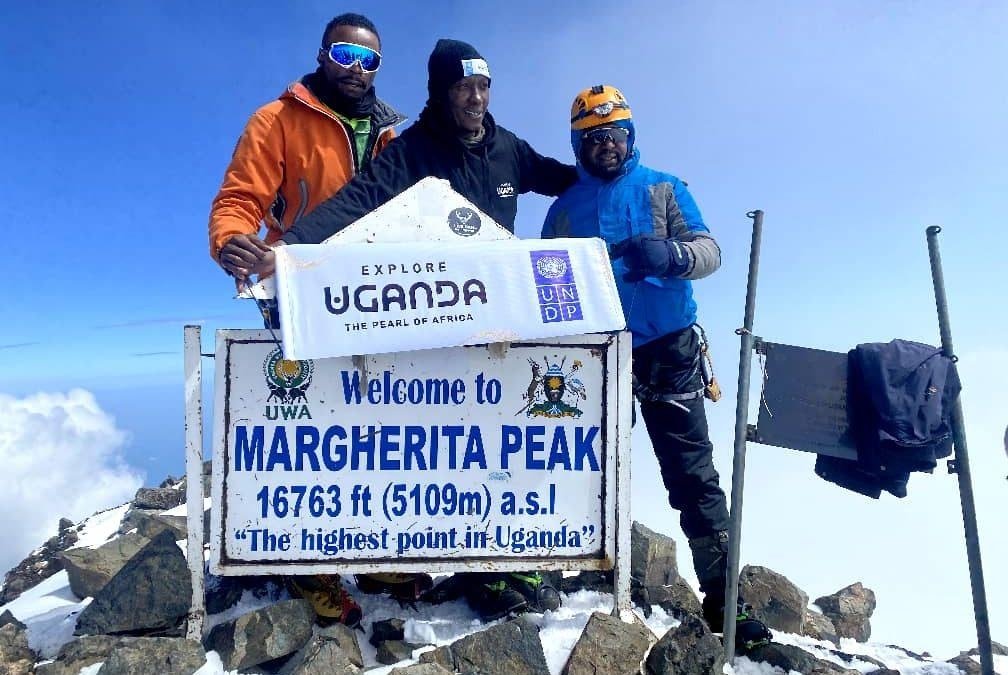
In June 2022, tourism entrepreneur Amos Wekesa and a group of adventurers climbed into the Rwenzori Mountains. At the summit, the team raised a Tusker Lite Mt. Rwenzori Marathon flag — a symbolic announcement of the idea that would soon become the race.
The concept was straightforward but ambitious: create an internationally recognised sporting event that would use the extraordinary landscapes of the Rwenzori region to attract visitors to western Uganda. Wekesa is described in contemporary reporting as the visionary behind the event, working with partners including Robert Kabushenga. The marathon is organized through Equator Hikes, with Tusker Lite as title sponsor.
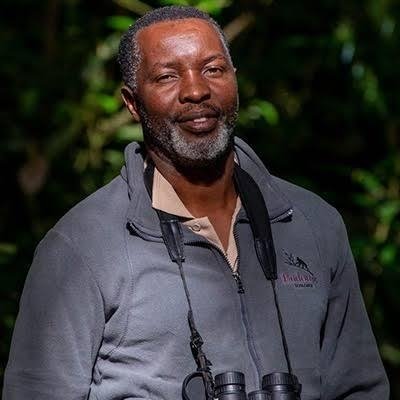
Who is Amos Wekesa?
Wekesa was born in eastern Uganda and entered the tourism industry through entry-level jobs — sweeper, office messenger, tour guide — before starting his own company. In 2001 he founded Great Lakes Safaris with roughly US$200, reportedly running the business from a briefcase and a small office under a staircase in Kampala.
That journey shaped a broader philosophy: Uganda’s landscapes, wildlife and culture could generate far greater economic opportunity if effectively marketed to international visitors. The Rwenzori Marathon follows the same logic — instead of marketing the mountains only to mountaineers, it gives ordinary travelers a reason to come.
Why Kasese?
Kasese sits close to the Rwenzori Mountains, Queen Elizabeth National Park, the Equator, Lakes Edward and George, the Kazinga Channel, Rwenzori Mountains National Park, and numerous crater lakes and cultural sites — yet Uganda’s tourism has historically concentrated on a small number of famous attractions.
Rather than telling travelers “come and visit the Rwenzori Mountains,” the marathon offers something more experiential: come to Uganda, run across the Equator, experience the Rwenzori landscape, meet the people of Kasese, and then explore the region.
The Evolution of the Marathon
-
2022
The Beginning
The inaugural marathon takes place on 3 September 2022, drawing over 800 runners and establishing the concept of athletics fused with tourism.
-
2023
Rapid Growth
Participation expands with runners from Uganda and several other countries. The route evolves to emphasize the Equator crossing and Queen Elizabeth National Park — and generates enough activity for researchers to begin measuring economic impact.
-
2024
International Recognition
The race achieves World Athletics certification and enters the World Athletics Label Road Race programme. Eliud Kipchoge attends, and participation reaches thousands.
-
2025
A Major Tourism Event
Uganda’s Ministry of Tourism reports 3,500+ runners from 56 countries; the marathon’s own figures cite roughly 6,000 sign-ups from 36 countries. The event receives UGX 800 million in government support.
-
2026
A New International Level
Listed by World Athletics as a Label Road Race for 22 August 2026 — Uganda’s first, and one of only three in East Africa. It’s also an official qualifier for the Comrades Marathon and Two Oceans Marathon.
What Makes the Rwenzori Marathon Different?
You Can Run Across the Equator
The 42km route begins at the Equator Monument in Kikorongo before continuing toward Kasese and the Rwenzori Mountains — giving runners the rare story of having run a marathon across the Equator.
The Rwenzori Mountains
Known as the “Mountains of the Moon,” the range’s glaciers, valleys and high-altitude ecosystems form a dramatic backdrop — and an entry point into a longer adventure of hiking and cultural exploration.
Queen Elizabeth National Park
The route’s connection to the park — home to elephants, lions, hippos, Uganda kob and hundreds of bird species — lets visitors combine sports tourism with a classic safari.
The Economic Impact on Kasese
A study by Uganda’s Tourism Research and Development Centre (TRDC) on the 2023 marathon estimated approximately UGX 3.5 billion in direct expenditure tied to the event — roughly UGX 1.9 billion from sponsorship and event activity, and UGX 1.6 billion from visitor and resident spending.
Where the Tourism Money Goes
| Spending category | Share of visitor spend |
|---|---|
| Accommodation | 31% |
| Passenger transport | 27% |
| Food & drinks | 16% |
| Entertainment | 14% |
| Shopping | 10% |
Before the marathon, 81% of surveyed accommodation establishments reported bed occupancy below 40%; during the marathon period, 71% reported occupancy above 60%. 55% of accommodation businesses reported a high increase in revenue during the event, and 39% of local business owners reported a moderate revenue increase, with 29% reporting a high increase.
Jobs, Skills and Community Pride
Large international events need people — event management, security, transport, hospitality, catering, guiding, photography, media and logistics among them. A Ugandan Ministry of Foreign Affairs publication reported that 78% of 2024 event support staff surveyed gained practical experience in high-profile event management, offering young people valuable exposure to the tourism and events industries.
Beyond the numbers, the race gives Kasese residents an active role in welcoming visitors — through accommodation, food service, transport, handcrafts, guiding and cultural performance — and a sense of pride in a region that can now be seen through images of mountains, wildlife, adventure and celebration rather than only its challenges.
Sports Diplomacy and a Growing International Profile
Uganda’s Ministry of Foreign Affairs has partnered with organizers to promote the race through diplomatic missions abroad, including promotional activities in Tanzania and Ethiopia. According to the Ugandan Consulate in Arusha, Tanzanian participation grew from a single runner in 2024 to 18 in 2025 following activities tied to the Kilimanjaro Marathon — a small but telling example of how sports events build regional tourism connections.
The Uganda Tourism Board has also hosted international influencers around the marathon, pairing it with experiences like gorilla trekking, Murchison Falls and Queen Elizabeth National Park to amplify Uganda’s story through social media and travel press.
Turning a Marathon Trip Into a Uganda Holiday
A runner could easily fly in, race, and fly home — but the marathon works best as a gateway into a longer journey. A typical combination might look like this:
| Day | Experience |
|---|---|
| 1–2 | Arrival & Kampala/Entebbe |
| 3 | Travel to western Uganda |
| 4 | Queen Elizabeth National Park safari |
| 5 | Rwenzori Marathon, Kasese |
| 6 | Rwenzori cultural or nature experience |
| 7 | Return to Kampala/Entebbe |
Longer itineraries can extend into chimpanzee trekking in Kibale Forest, gorilla trekking in Bwindi, or Murchison Falls National Park — turning a single race day into a full East African adventure.
What’s Next: Challenges to Manage
- Accommodation capacity — Kasese needs more quality lodging across price points as participation grows.
- Transport — road access and local transport need to keep pace with visitor numbers.
- Waste management — environmental management should stay central to future editions.
- Community participation — local businesses need continued, meaningful economic inclusion.
- Tourism extensions — more packages should encourage runners to stay on after race day.
- International marketing — deeper partnerships with running clubs, airlines and travel companies.
- Conservation — growth around the Rwenzori region must be managed so visitation doesn’t damage the landscape that attracts it.
Final Thoughts: A Race That’s Changing the Tourism Story
In 2022, the idea of building an internationally recognised marathon in Kasese was ambitious. Four years later, the race is a World Athletics Label Road Race, drawing international participants and helping put Kasese in front of audiences far beyond Uganda.
Perhaps its most important achievement is simpler than any statistic: it has given people a reason to discover a part of Uganda they might otherwise never have visited. A runner comes for the race, sees the Rwenzori Mountains, visits Queen Elizabeth National Park, meets local communities — and becomes a tourism ambassador for Uganda without ever meaning to.
Planning Your Rwenzori Marathon Trip?
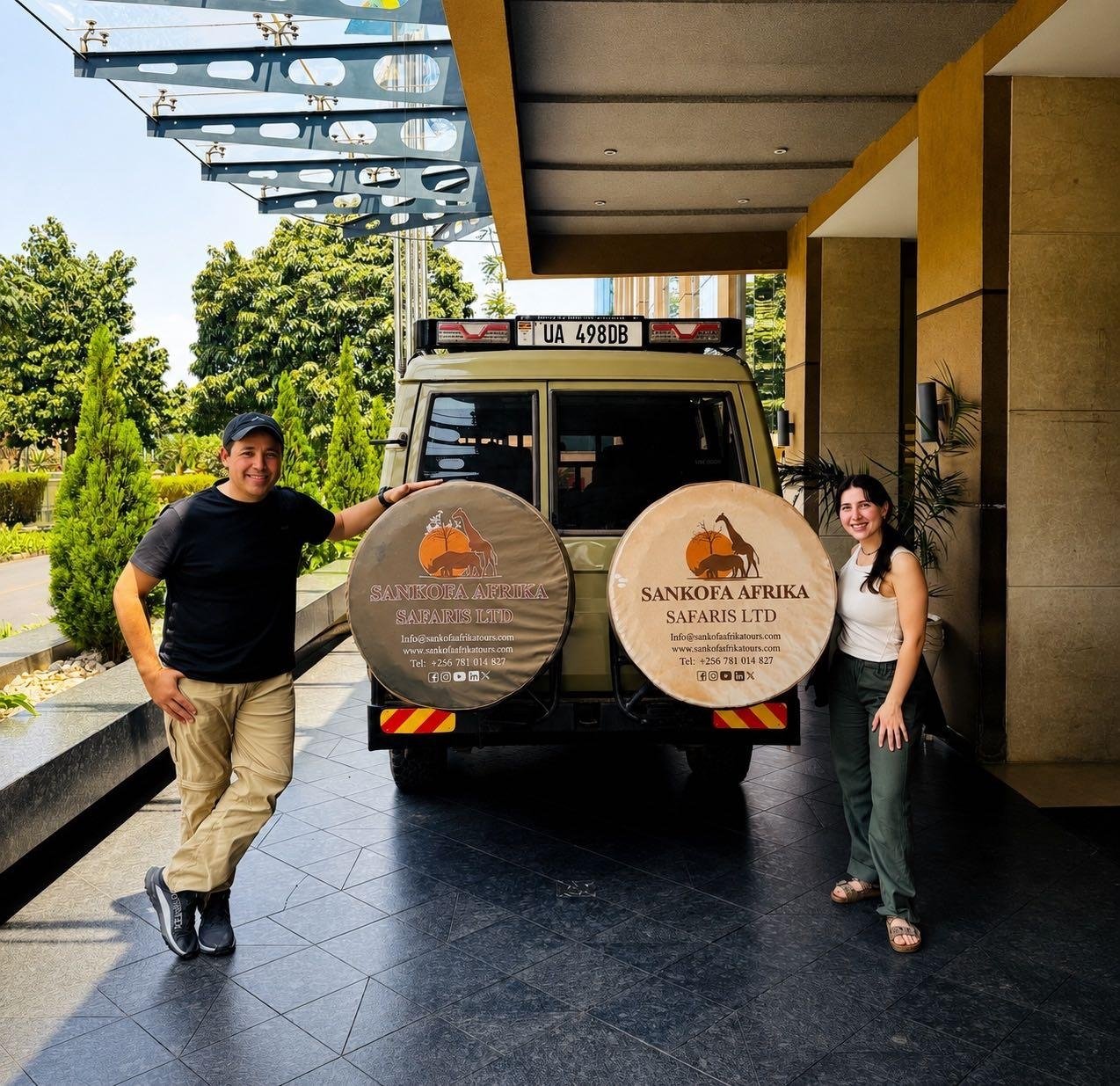
For international visitors, the marathon can be far more than a single-day sporting event. Trusted local operators can arrange airport transfers, accommodation, marathon logistics, wildlife safaris and cultural extensions before or after the race.
Sankofa Afrika Safaris
A locally operated East African safari company offering tailor-made journeys across Uganda, Rwanda, Kenya and Tanzania — combining wildlife, primate, cultural and adventure experiences. Ideal for building a wider itinerary around the marathon, from Queen Elizabeth National Park to Bwindi and Lake Bunyonyi.
Gorilla Trekking Africa
A Ugandan tour specialist focused on gorilla trekking and safari experiences across Bwindi, Mgahinga, Kibale Forest and Queen Elizabeth National Park — a natural extension for runners who want to pair the marathon with primates and wildlife.