A first African safari comes with more decisions than most trips which country, which park, which season , what to pack. Here’s the essential groundwork before you book.
Choosing Where to Go
East Africa (Uganda, Kenya, Tanzania, Rwanda) and Southern Africa (South Africa, Botswana, Namibia) offer different experiences. East Africa is known for the Great Migration, primate trekking, and dense wildlife concentrations in relatively compact parks. Southern Africa offers excellent self-drive infrastructure, malaria-free options in parts of South Africa and some of the continent’s most luxurious lodges.
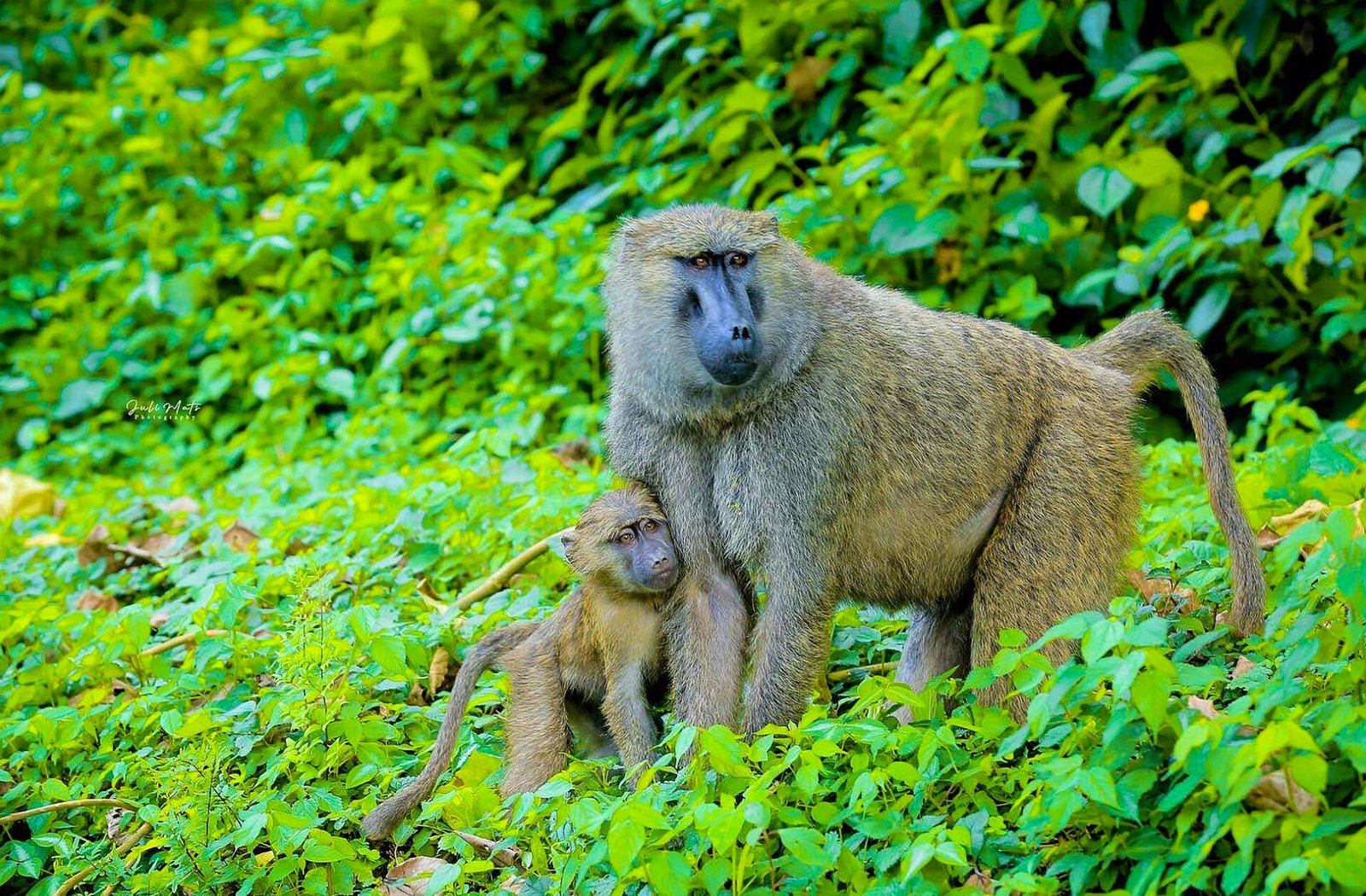
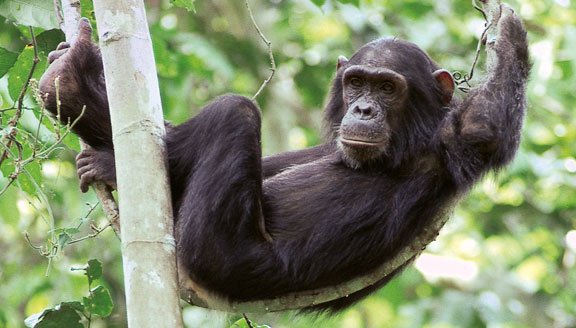
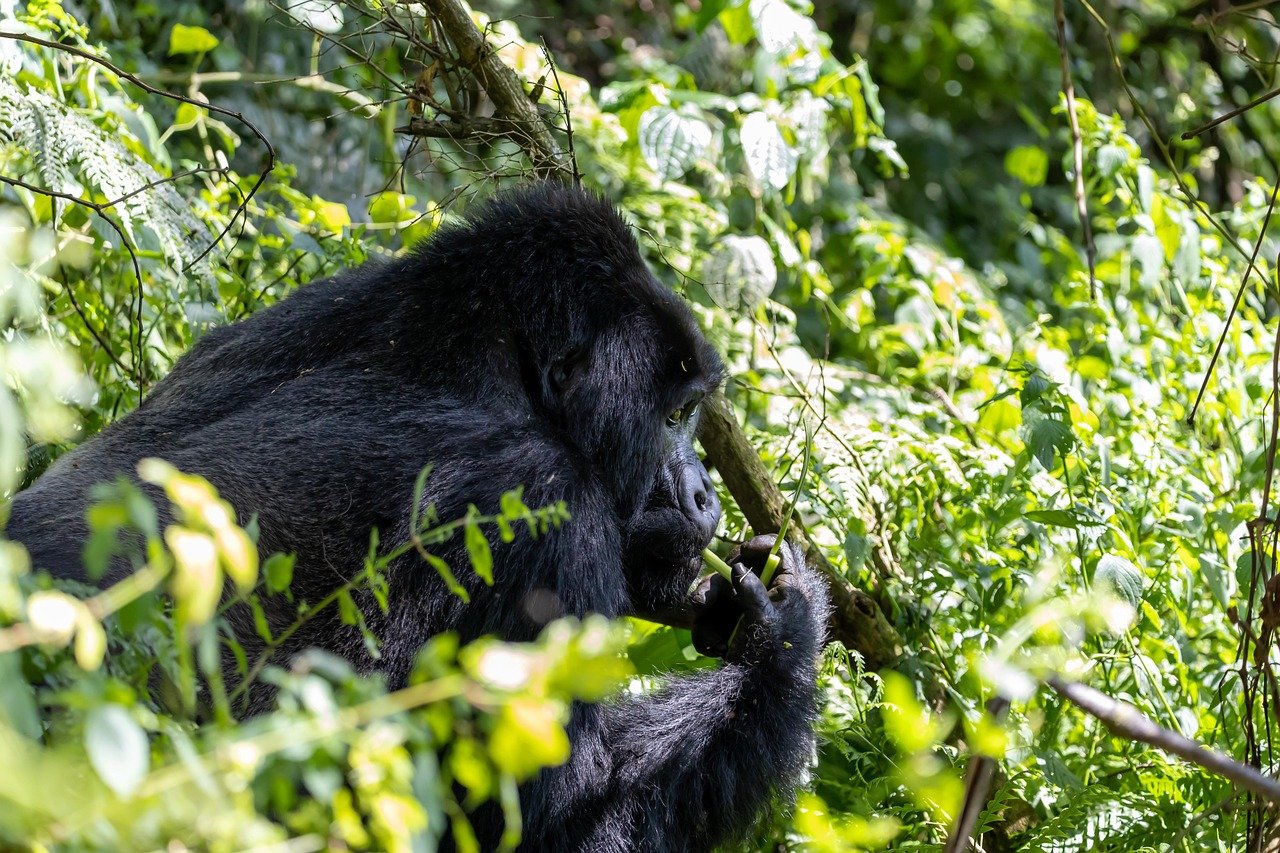
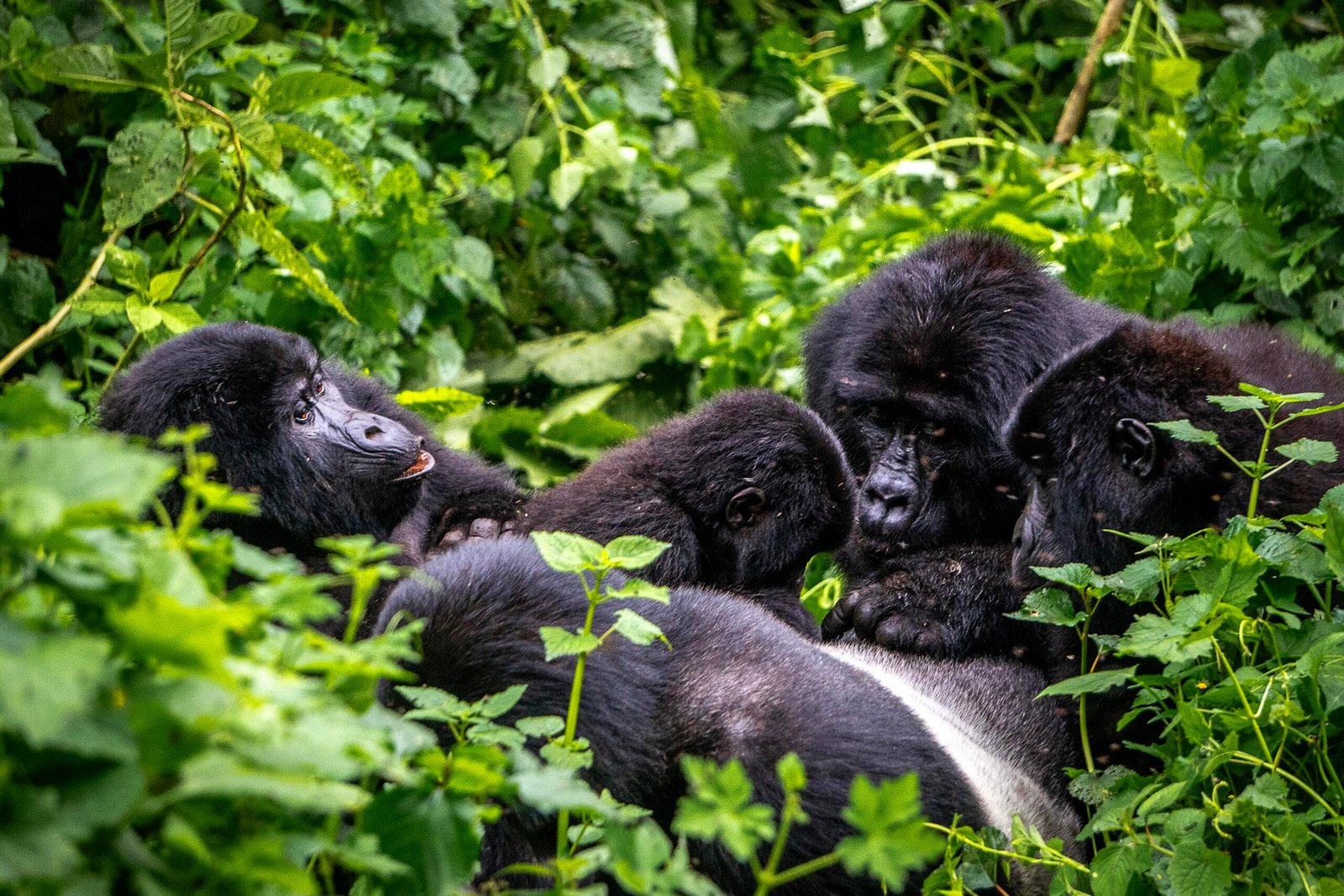
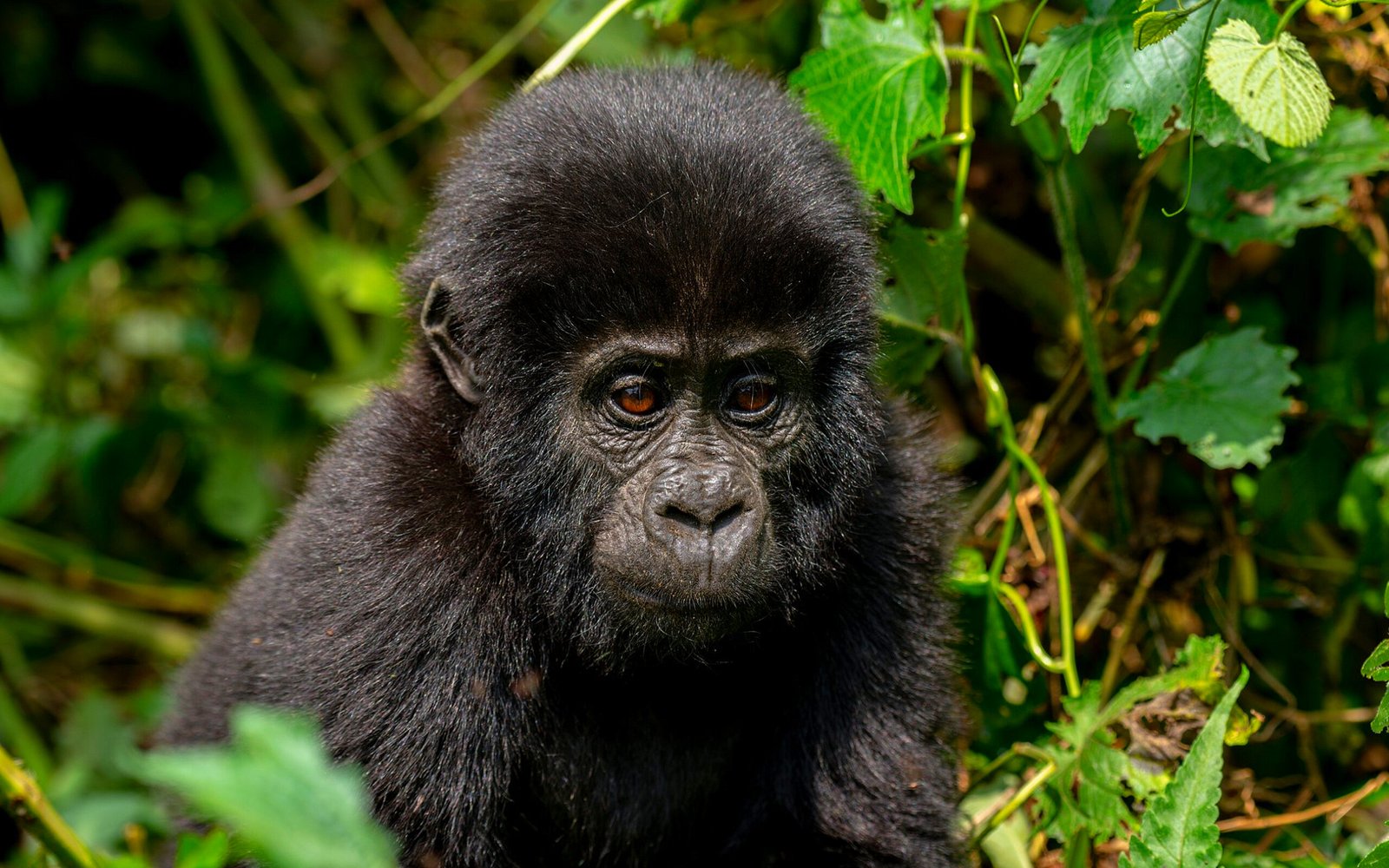
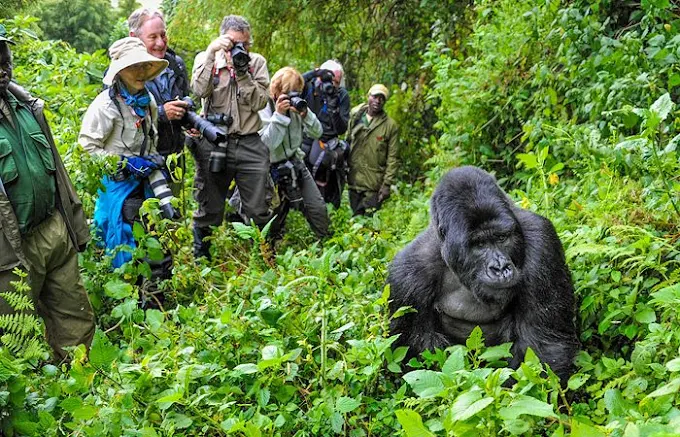
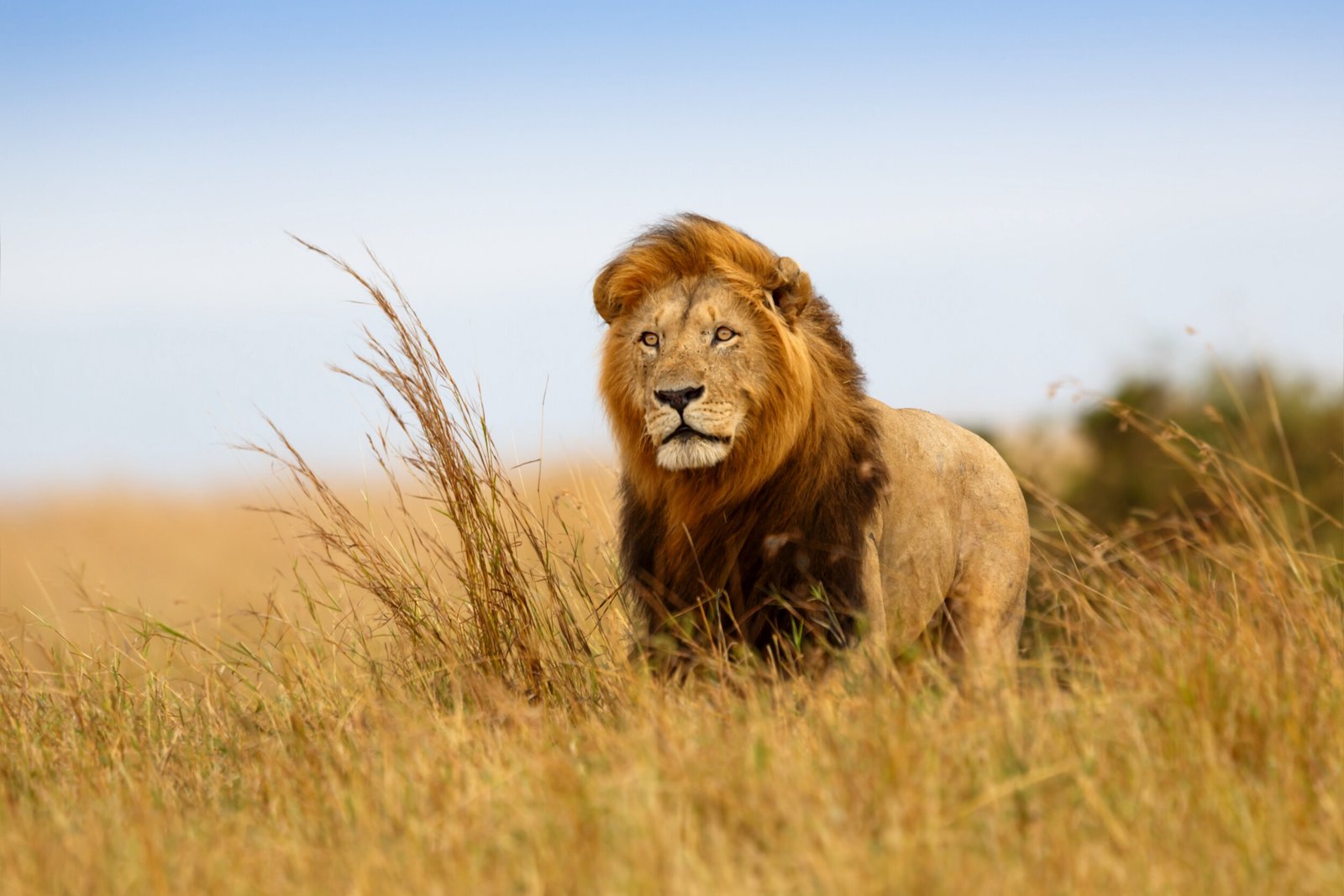
For a first-timer wanting maximum wildlife variety in a single trip, Uganda stands out it’s one of the few countries offering both classic savanna game drives (Queen Elizabeth and Murchison Falls) and primate trekking (gorillas and chimpanzees) within one itinerary.
Understanding Safari Styles
- Lodge-based safaris:Fixed accommodation with day trips into the park — comfortable, predictable, good for first-timers
- Mobile tented safaris:Camps move between locations, following wildlife or covering more ground — more immersive, slightly more rugged
- Self-drive safaris:Common in South Africa and Namibia where road infrastructure and signage support independent travel
- Fly-in safaris:Small aircraft link remote camps, cutting travel time in large countries at a higher cost
What a Typical Day Looks Like
Game drives happen at dawn and late afternoon, when animals are most active and temperatures are cooler most camps have an early wake-up call, often before 6 a.m. The midday hours are for resting, eating, and waiting out the heat, which surprises many first-timers expecting constant activity.
Budgeting Realistically
Costs vary by country and style, but a few fixed costs apply broadly: park entrance fees, professional guide fees, and (if applicable) gorilla or chimpanzee permits are separate from accommodation and add up quickly. Mid-range lodge safaris in East Africa typically run several hundred dollars per person per day including meals and drives; luxury and fly-in options run well beyond that.
Health and Documentation
Yellow fever vaccination is mandatory for entry to Uganda, Rwanda, and several other East African countries bring your certificate. Malaria prophylaxis is standard advice for most safari destinations outside malaria-free zones of South Africa, and a pre-trip consultation with a travel doctor is worth the appointment. Confirm visa requirements for your passport well before departure; many East African countries offer e-visas or visas on arrival.
What to Pack
Neutral-colored clothing (khaki, olive, brown) works better than bright colors or white, which stand out to wildlife and show dust. A good pair of binoculars, a camera with zoom capability, sunscreen, and insect repellent round out the essentials. Laundry service is available at most lodges, so overpacking clothing is rarely necessary.
Setting Realistic Wildlife Expectations
Safaris aren’t zoo sightings it depends on season, luck and animal movement, and no guide can guarantee a specific sighting on a specific day. That said, experienced guides read tracks, radio other vehicles, and know territory patterns well enough that most multi-day safaris deliver strong sightings of the animals a park is known for.
Booking Through an Operator vs. Independently
For a first safari, a reputable local operator is usually worth the cost they handle permits, transfers, park logistics and emergency contingencies that are hard to manage from abroad, especially for activities like gorilla trekking that require permits booked months in advance. Independent self-drive safaris work well in a handful of countries with strong road infrastructure, but are harder to pull off well on a first trip to East Africa specifically.
The Bottom Line
The biggest first timer mistakes are trying to cover too much ground in too little time, and underestimating how early each day starts. A focused itinerary one or two parks, enough nights in each to allow for a slow day beats a rushed circuit almost every time.