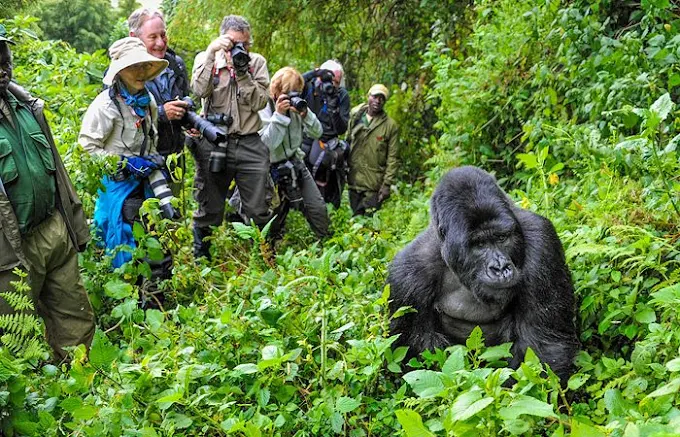
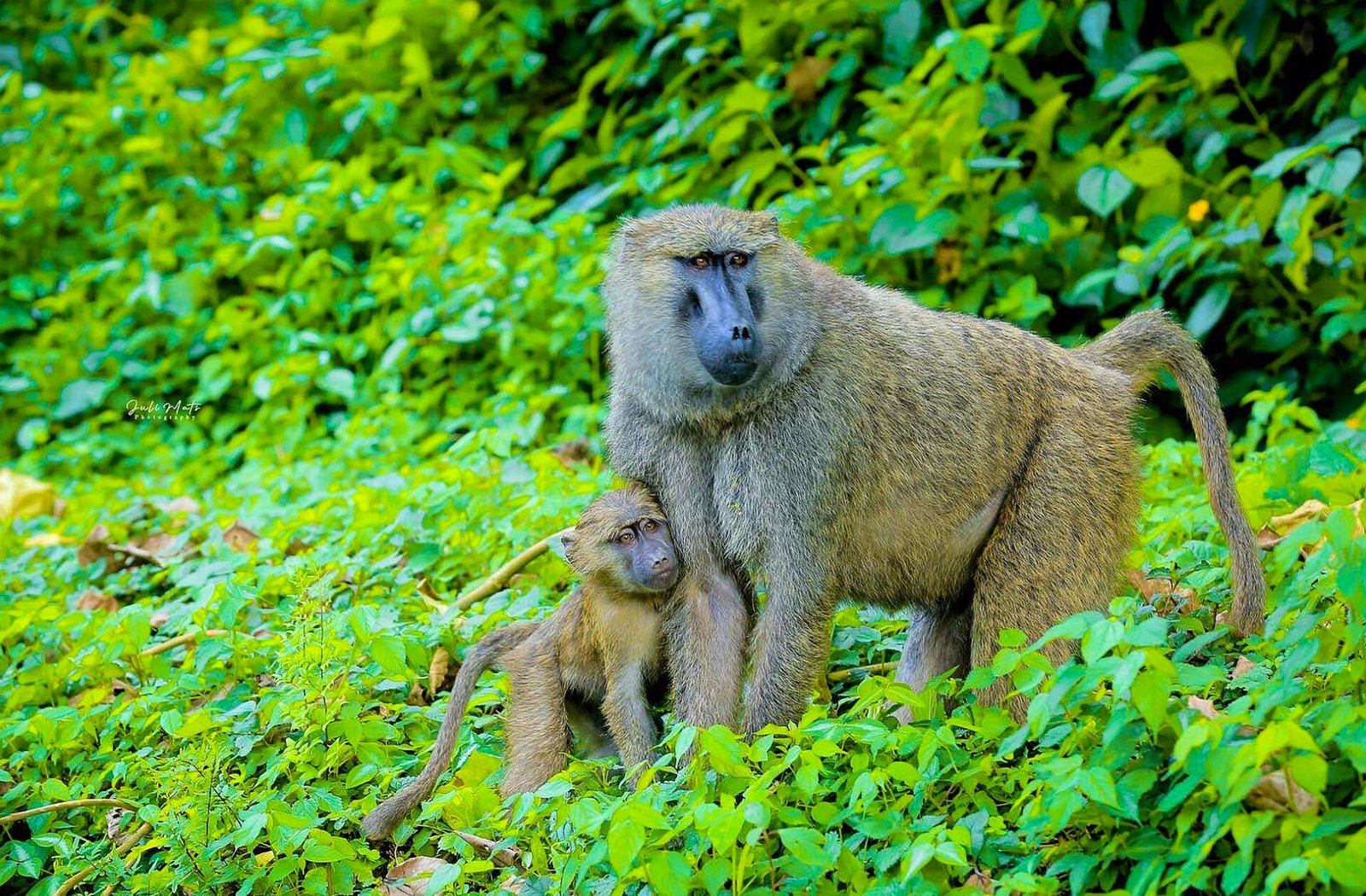
Your gorilla permit is the expensive part. Getting your packing list wrong is the part that actually ruins your morning cold hands, soaked boots or a daypack that’s rubbing your shoulders raw three hours into a Bwindi climb. Here’s what you genuinely need, and what you can leave at the lodge.
Clothing
Gorilla trekking happens in a dense forest, often at altitudes between 1,500 and 2,600m so your clothing needs to do three jobs: protect your skin, handle sudden weather changes, and dry fast.
- Long-sleeved shirts and long trousers, ideally quick-dry fabric — this isn’t optional. Stinging nettles and thorny undergrowth are a real and constant presence in Bwindi and Volcanoes National Park
- A waterproof, packable rain jacket.Weather can turn in minutes, especially outside the driest months.
- A warm mid-layer (fleece or light jacket).Mornings at altitude are genuinely cold before the hike warms you up.
- Gardening-style gloves with grip.You’ll be grabbing vines and branches on steep sections — proper garden gloves protect against thorns far better than thin hiking gloves.
- A hat with a brim, for sun and rain both.
- Hiking boots with ankle support.This is not the place to trek in trail running shoes the terrain is steep, uneven, and often slick.
Gear
.
- A walking stick.Both Uganda and Rwanda’s parks provide these free at the trailhead.
- Enough drinking waterat least 1.5–2 litres, more on longer treks.
- Energy snacks— nuts, energy bars, or dried fruit. Treks can run anywhere from one to eight hours depending on where the gorillas are that day.
- A dry bag or ziplock bagsto protect your phone, passport copy, and camera gear from sudden rain.
Camera and documents
- A camera with a fully charged battery and spare memory card.Flash photography is not permitted around the gorillas, so a camera that performs reasonably in low forest light is a real asset.
- Your passport (or a copy) and your printed or digital permit confirmation.You won’t be allowed to trek without proof of your permit.
- Cash for tipping— porters, trackers, and rangers are customarily tipped in USD or local currency, and ATMs are not available at the trailhead.
Health and comfort
- Insect repellent.
- Personal medication, plus a basic first-aid kit (blister plasters are the MVP item here).
- Hand sanitiser.Because mountain gorillas share close to 98% of human DNA, they’re highly susceptible to our illnesses good hygiene before and during the trek genuinely matters for their health, not just yours.
- Sunscreen, even on overcast days at altitude.
What to leave behind
- Heavy tripods or large camera bags you need your hands free for the climb
- Jeans or cotton clothing they get heavy and stay wet once damp
- Flip-flops or sandals obvious, but worth saying
- Anything you’re not prepared to have brush against thorns; the forest is not gentle on fabric