If you’re choosing between Uganda and Rwanda for gorilla trekking, the number and character of habituated families is one of the more practical things to know it affects trail difficulty, permit availability and which sector you’ll be assigned to.
Bwindi Impenetrable National Park: Around 20 Habituated Families
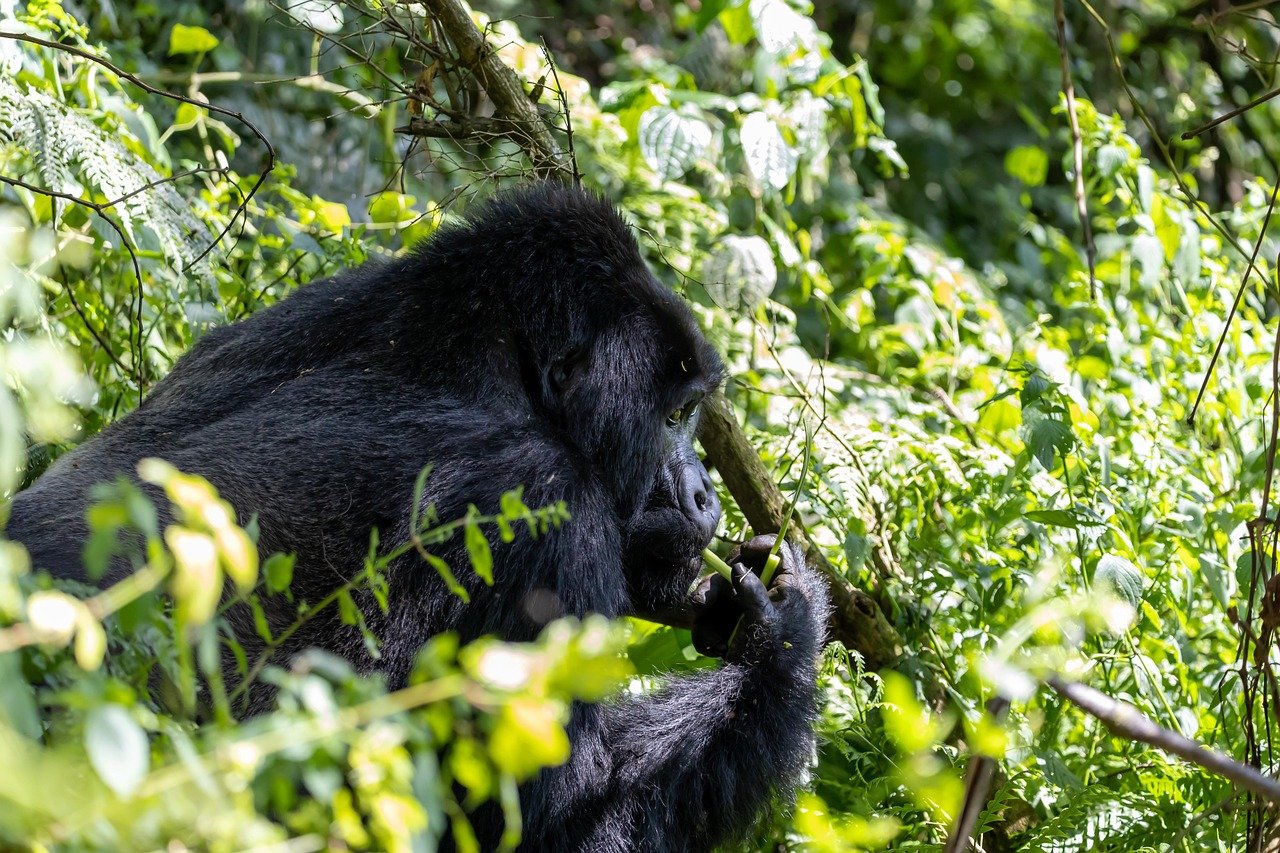
Bwindi hosts the largest population of mountain gorillas anywhere, and estimates of its habituated families run from roughly 19 to 21 depending on the source and the date the exact count shifts as groups split, merge, or complete habituation. The park’s habituated families are spread across four trekking sectors:
- Buhoma— the original and most-visited sector, home to families including Rushegura and Mubare, with relatively gentler terrain
- Ruhija— includes the well-known Bitukura family, along with Oruzogo, known for its lively juveniles
- Rushaga— the sector with the most families, and the only one offering the multi-hour gorilla habituation experience
- Nkuringo— known for its steep, more demanding trails and smaller, quieter tourist numbers
### A Few Notable Families
- Rushegura— split from the Habinyanja family and known for ranging close to Buhoma’s lodges
- Bitukura— named after the river where it was first sighted, and considered one of the calmer, more peaceful groups
- Oruzogo— a popular choice for its playful young gorillas, opened to tourism in 2011
- Nyakagezi— technically in neighboring Mgahinga National Park rather than Bwindi, this long-migratory family settled permanently around 2012 and is Mgahinga’s only habituated group
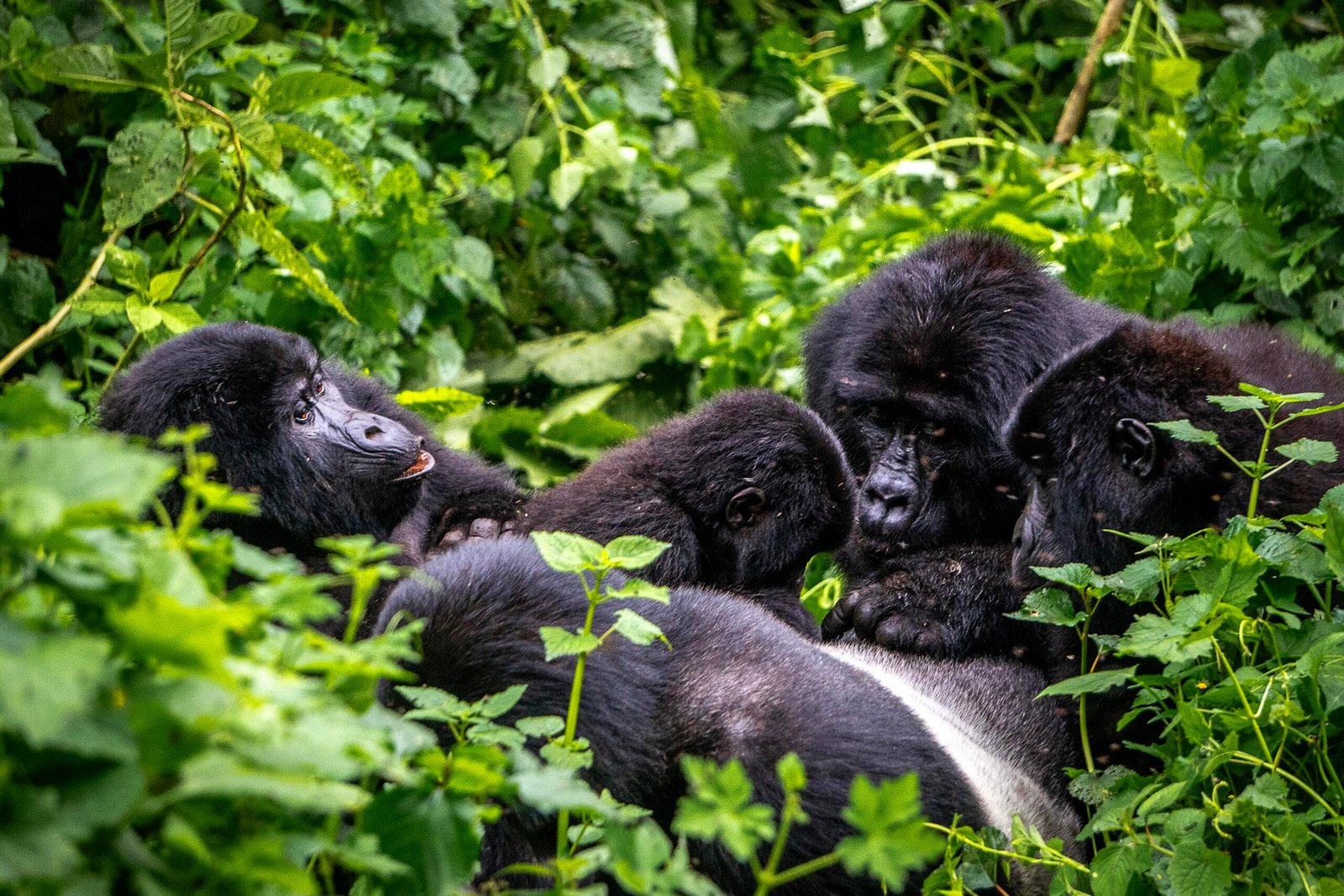
Each family typically ranges from around 7 to over 20 individuals, led by at least one dominant silverback.
Volcanoes National Park: Around 12 Habituated Families
Rwanda’s single gorilla-trekking destination, Volcanoes National Park, has a smaller number of habituated families than Bwindi — most current sources put the figure at around 10 to 12, with a few additional groups habituated purely for scientific research and not open to tourists.
Notable families include:
- Susa— the group originally studied by Dian Fossey, later splitting into several offshoot families (including Karisimbi and Igisha) as it grew
- Sabyinyo— known for having one of the most impressive silverbacks in the park
- Amahoro— whose name means “peace” in Kinyarwanda, reflecting its calm temperament
- Agashya— a family with an eventful leadership history, including a takeover that merged two groups into one
Family sizes here range widely too, from around 7 members to well over 20 in the larger groups.
Why the Exact Numbers Shift
Gorilla families aren’t static. Young silverbacks periodically leave to start their own groups, families split after leadership disputes, and newly habituated groups are added to the trekking roster every few years habituation itself takes two to three years of gradual, controlled contact. Because of this, any published count of “how many families” is a snapshot rather than a fixed fact, and it’s worth confirming current numbers with the relevant wildlife authority when booking.
What This Means for Trekkers
More habituated families generally means more available permits and a wider range of trail difficulty to choose from a real advantage for less experienced hikers heading to Uganda. Rwanda’s smaller number of families, combined with its higher permit price, tends to mean shorter transfer times and generally gentler terrain, but fewer families in total competing for the same demand. Neither is objectively “better” — it depends on budget, fitness and how much variety you want in your trekking sector.