Two and a half hours after leaving Kigali, the road climbs into bamboo forest and volcanic peaks disappear into mist and somewhere up ahead, a gorilla family is waking up for the day. Gorilla trekking in Rwanda has built a reputation as the most polished, most accessible version of this experience anywhere in Africa, and for good reason. Here’s what to actually expect, and what it costs, if you’re planning a trip to Volcanoes National Park.
Where the gorillas are
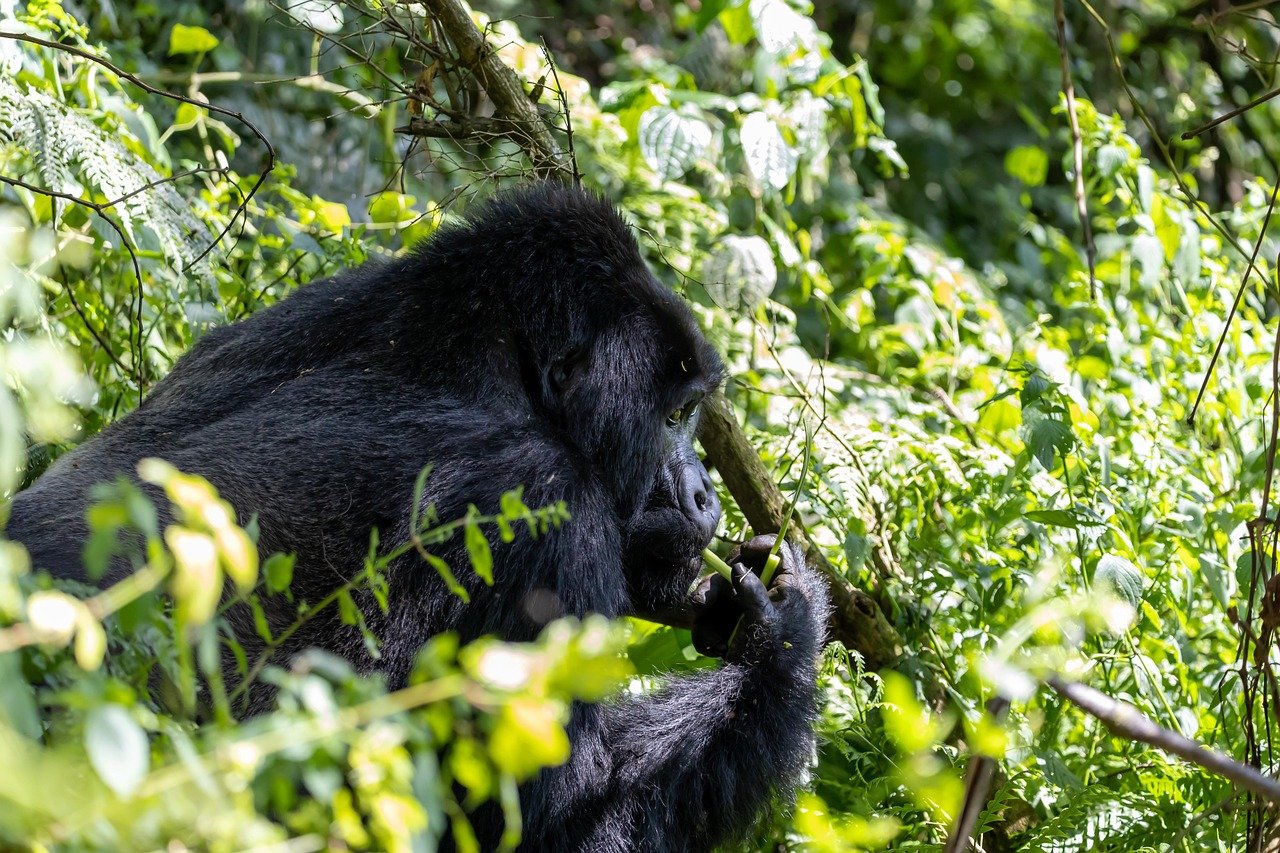
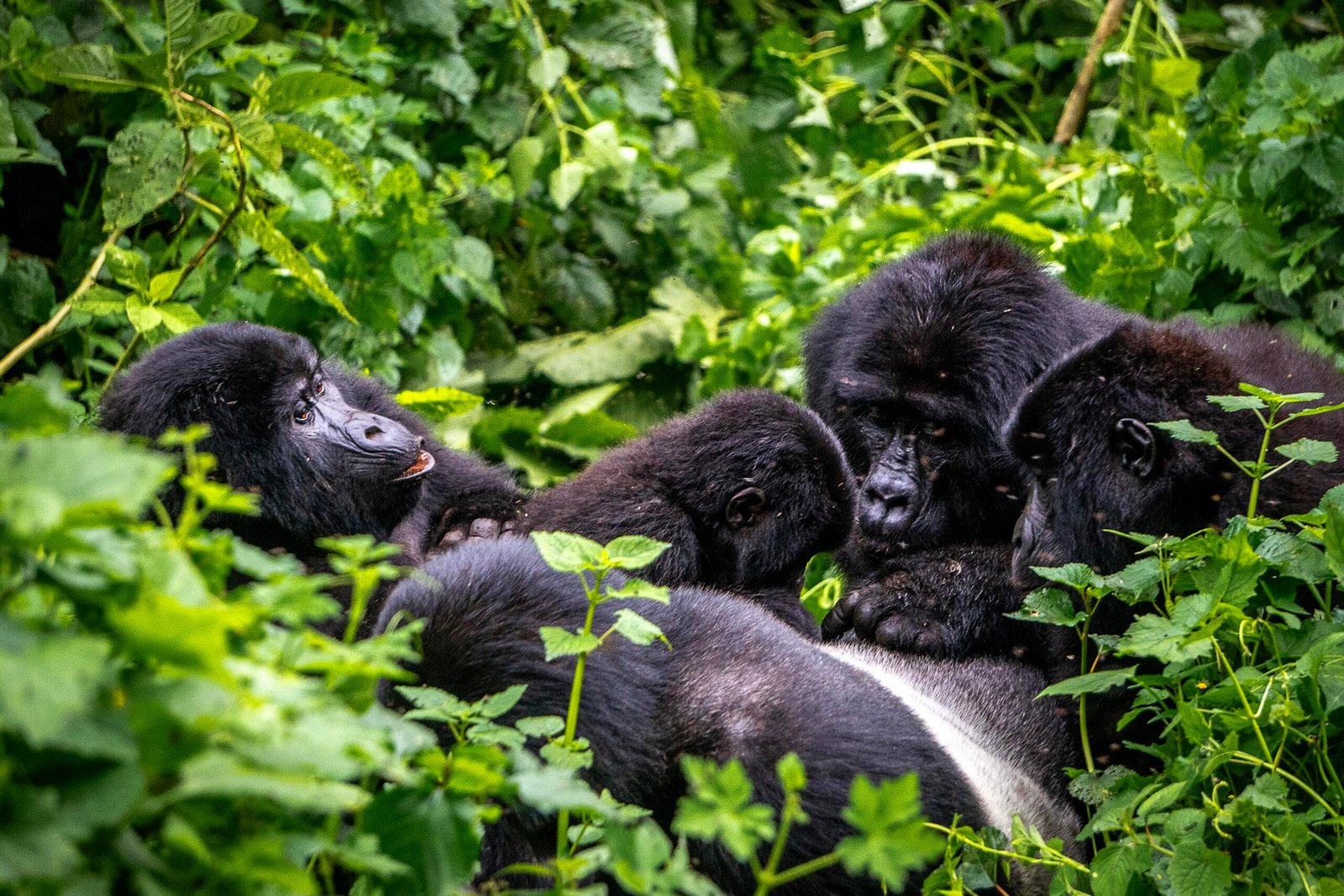
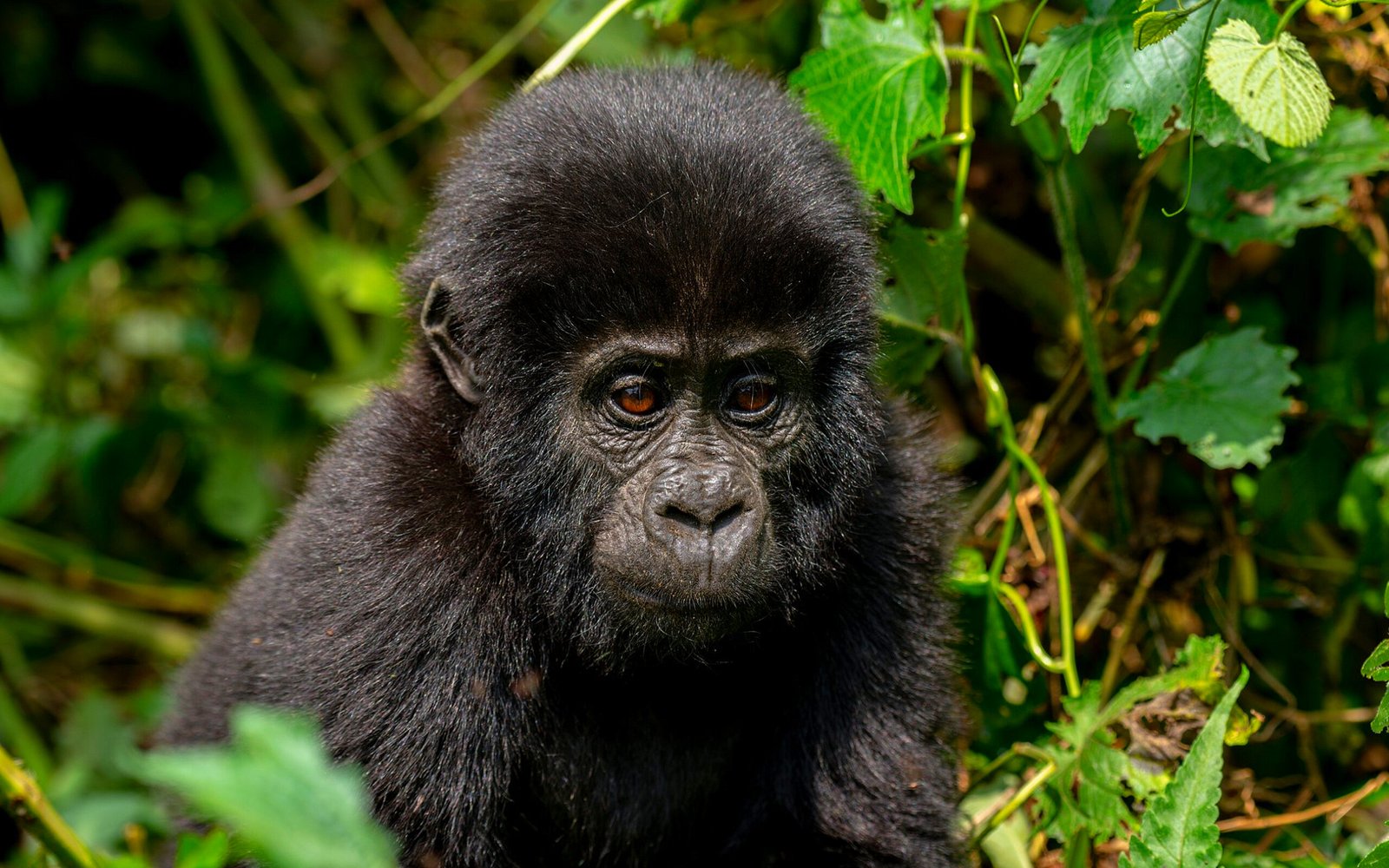
All of Rwanda’s gorilla trekking happens in one place: Volcanoes National Park, in the Musanze/Kinigi area in the northwest of the country, part of the Virunga is shared with Uganda and the DRC. The park is home to around 350 mountain gorillas across roughly a dozen habituated families that visitors can trek, alongside several more that are reserved for researchers.
What sets Volcanoes National Park apart is how easy it is to reach. It’s a smooth two-to-three-hour drive from Kigali International Airport on good tarmac roads — no domestic flights, no long bumpy transfers which makes Rwanda a genuinely realistic option even for travelers working with a tight schedule. The terrain inside the park also tends to be a little more open than Uganda’s dense Bwindi forest, which many visitors find slightly easier.
How much does a Rwanda gorilla permit cost?
The Rwanda Development Board (RDB) sets one fixed price, and it applies across every licensed operator:
- Standard permit:USD 1,500 per person, covering park entry, trackers, armed ranger escorts, and one hour with a habituated gorilla family.
- East African Community citizens:significantly discounted rates, aimed at encouraging regional travel and conservation awareness closer to home.
- Foreign residents and other African passport holders:reduced rates versus the standard international fee.
What it doesn’t include: transport to the park, accommodation, meals, or porter fees (around USD 15–20, and well worth it). If your trip includes a MICE conference component, ask about the conference-attendee discount on permits it’s a detail many travelers miss.
For context, Rwanda’s permit runs about double Uganda’s standard USD 800 rate. That gap is deliberate. Rwanda has built its tourism model around fewer visitors and higher investment per person, with a meaningful share of every permit fee going directly toward anti-poaching patrols, veterinary care for the gorillas and a community revenue-sharing scheme that funds schools and health centres around the park boundary.
Permits sell out well in advance, especially in peak season, so we recommend booking three to six months ahead and further out still for the Christmas and New Year window.
What the trek is actually like
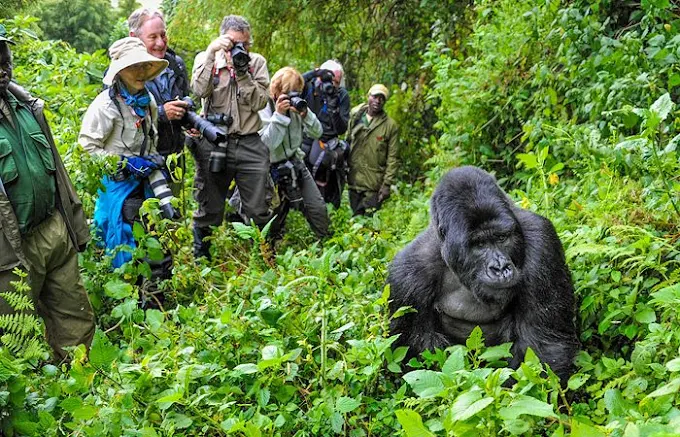
Every trek begins with an early-morning briefing at park headquarters in Kinigi, where rangers assign your group to a specific gorilla family based on your fitness level and where trackers last spotted them. From there, treks can last anywhere from two to seven hours round trip, depending on how far the family has moved overnight though Rwanda’s relatively open terrain means many groups find their family faster than they might in neighbouring Bwindi.
Once you’re with them, the clock starts on your one hour. Park rules require visitors to stay at least seven metres from the gorillas at all times, both for your safety and theirs — mountain gorillas share close to 98% of human DNA, which makes them remarkably vulnerable to our illnesses. Anyone with a cold, flu, or other contagious symptoms will be asked not to trek that day.
The minimum age for gorilla trekking is 15, with no upper age limit though this is a genuinely physical activity on volcanic slopes at altitude, so it’s worth being honest with yourself about fitness beforehand. A walking stick (provided free at the park gate) and a porter make a real difference.
When do i go for Gorilla Trekking
Rwanda’s two dry seasons — June to September and December to February — offer the firmest trails and the most predictable weather, and they’re correspondingly the busiest months for permits. Outside of peak season, expect more rain and muddier trails, but a quieter park and a strong chance of discounted permit rates for regional travelers (note that promotional rates are typically paused during the June–October peak window).
Beyond the gorillas
Volcanoes National Park is also where Dian Fossey carried out her decades of gorilla research, and the hike to her former camp and gravesite in the Karisoke area is a moving addition to a Rwanda itinerary for travelers with an extra day. The park is equally well known for golden monkey trekking, a lighter, livelier primate encounter through the bamboo forest that pairs naturally with a gorilla permit. Many of our guests also combine Volcanoes National Park with a few days in Kigali a city that has quietly become one of East Africa’s most compelling urban stops in its own right before or after their trek.
Planning your Rwanda gorilla trek
A Volcanoes National Park gorilla experience rewards good planning: the right lodge for your budget, a permit secured early enough to guarantee your dates, and a route that makes the most of Rwanda’s compact geography instead of fighting it.