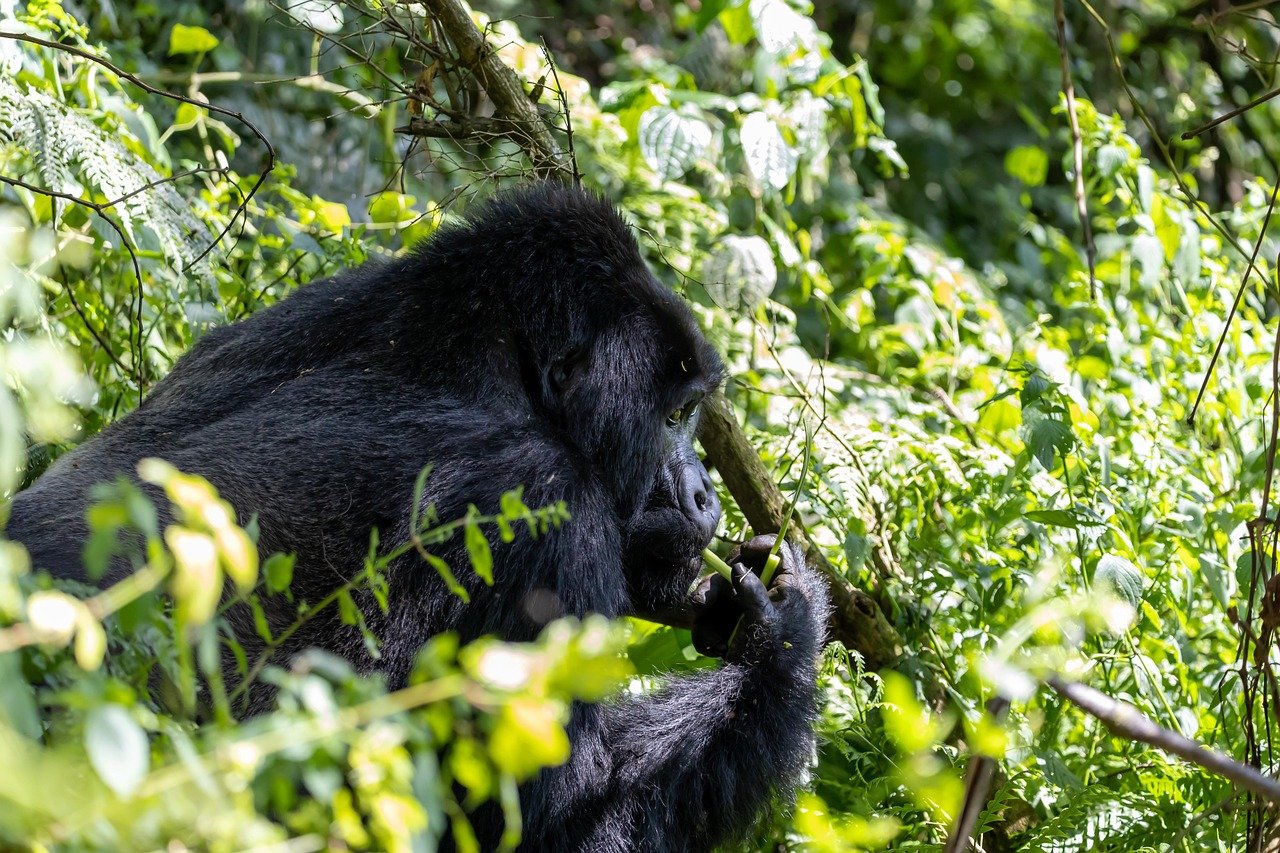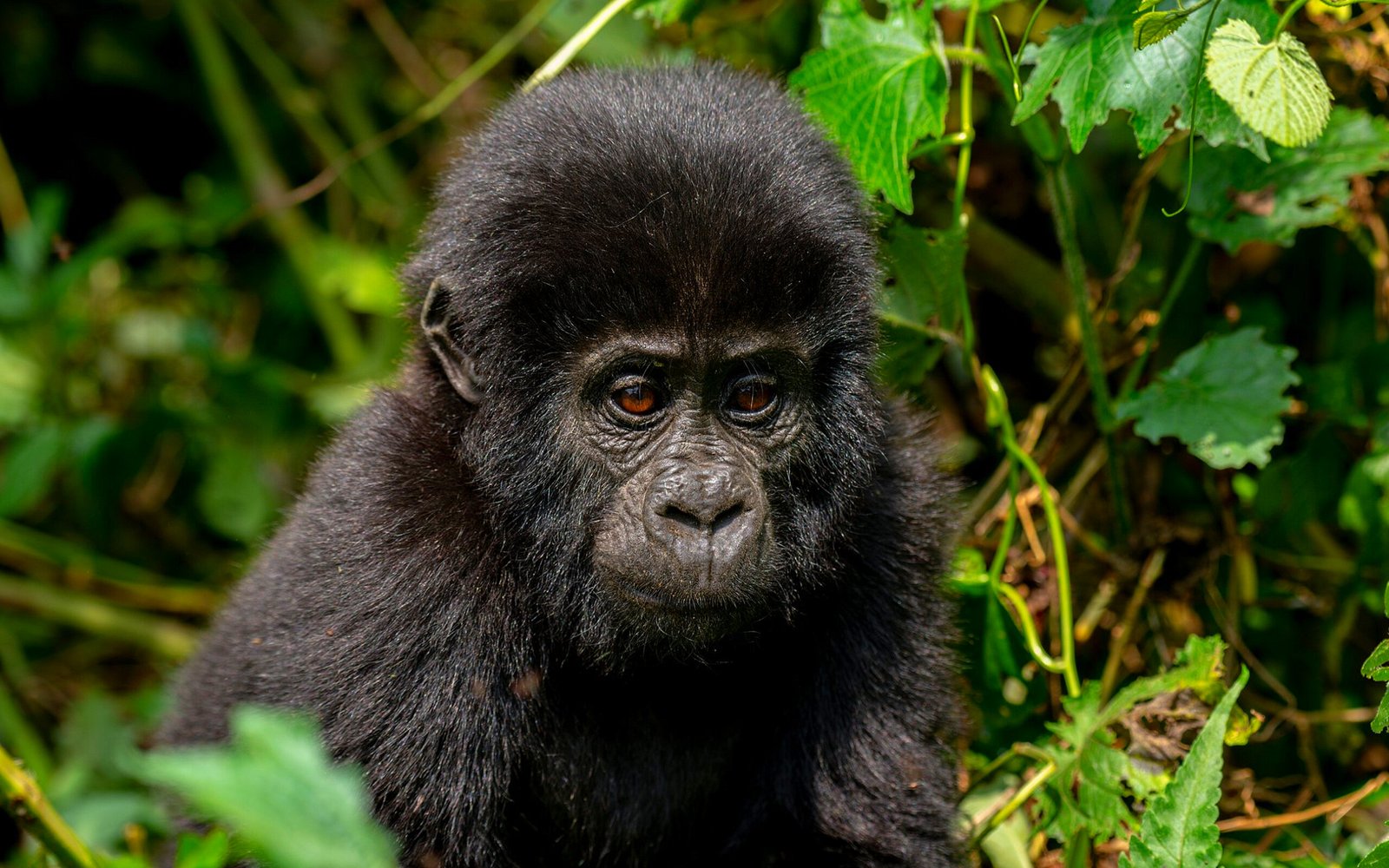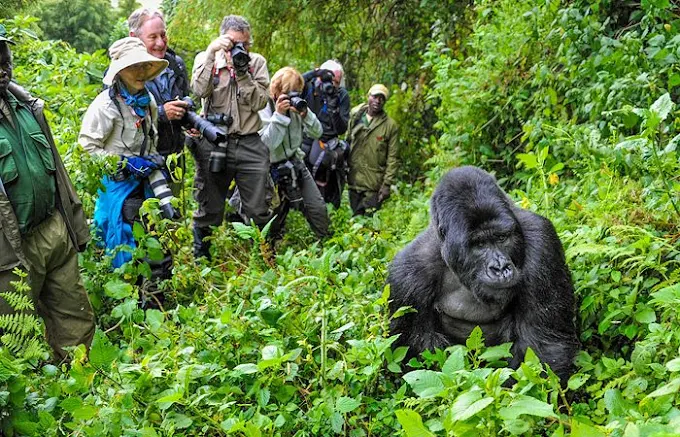
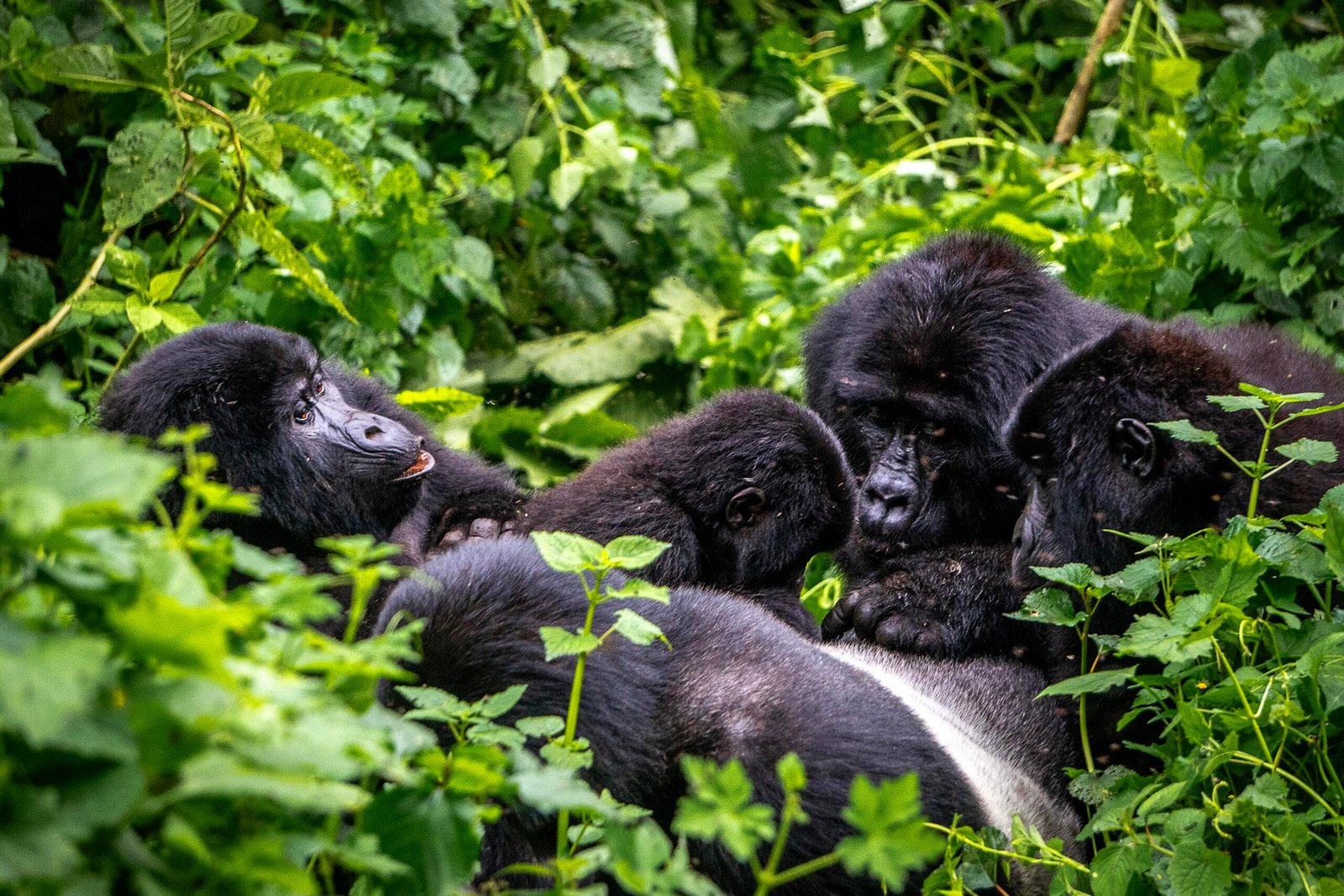
There’s a moment on every gorilla trek when the forest goes quiet and your guide raises a hand. Somewhere in the tangle of vines a silverback is watching you back. That moment is in equal parts nerve-wracking and humbling; this is why gorilla trekking in Uganda has become one of the most sought-after wildlife experiences on the planet. If you’re planning a Uganda gorilla safari for 2026 or 2027, here’s everything you actually need to know before you go.
Where to trek: Bwindi and Mgahinga
Uganda has two national parks where you can track wild mountain gorillas.
Bwindi Impenetrable National Park is the main event. This UNESCO World Heritage Site holds close to half the world’s remaining mountain gorilla population and is home to the majority of Uganda’s habituated gorilla families, spread across four trekking sectors:
- Buhoma— the most accessible sector, with well-established trails and shorter treks. A good choice for first-timers or travelers combining gorillas with a shorter safari.
- Ruhija— the highest-altitude sector, cooler and less crowded, also a favourite among birders.
- Rushaga— home to the most habituated families in Bwindi and the only sector offering the Gorilla Habituation Experience.
- Nkuringo— steep and demanding, but rewarded with sweeping views of the Virunga volcanoes.
Mgahinga Gorilla National Park, on the Rwanda–DRC border, is home to a habituated family, the Nyakagezi group. It’s quieter and often easier terrain than Bwindi, but there’s a catch: the family sometimes wanders across the border into Rwanda or Congo, in which case treks there aren’t possible on a given day. When that happens, Uganda Wildlife Authority can be give an alternative to trek in Bwindi.
How much does a gorilla permit cost?
This is usually the first question every traveler asks, and the answer has a bit more nuance than a single number.
- Standard permit :USD 800 per person, covering park entry, ranger guides, trackers, and one hour with a habituated gorilla family.
- Gorilla Habituation Experience (Rushaga sector only):USD 1,500 per person for up to four hours with a semi-habituated family, alongside researchers and trackers. A rarer, deeper experience for repeat visitors or serious wildlife enthusiasts.
What the permit doesn’t cover: transport to the park, accommodation, meals, or tips for your guide and porters. Porters cost around USD 15–20 for the day and are genuinely worth hiring — not just for carrying your bag, but because you’re directly supporting the local community around the park.
Only around 160 standard permits are issued per day across Bwindi’s sectors, plus a handful at Mgahinga, so this is not something you can decide on a whim. For June–September and December–February — Uganda’s two dry seasons and by far the most popular trekking windows — we recommend booking your permit six to nine months in advance.
What the trek is actually like
There’s no way around it: gorilla trekking is a hike, and Bwindi’s name is not for show. The terrain is steep, dense, and can be muddy depending on the season, at altitudes between roughly 1,500 and 2,600 metres. Treks can take anywhere from one to eight hours round trip, depending on where the gorilla family happens to be that morning you don’t get to choose which family you visit; UWA assigns you one based on your fitness level and the trackers overnight reports.
Once you find them, you get exactly one hour with the gorillas. It goes fast. Most visitors describe it as somehow both longer and shorter than expected long enough to really watch a family interact, short enough that you’re already planning your next trip.
A few practical notes: the minimum age for trekking is 15. Anyone with a cold, flu, or other contagious illness will be asked not to trek, since gorillas are highly susceptible to human respiratory illnesses.
When to go
Uganda’s dry seasons — June to September and December to February — offer the firmest trails and the best overall trekking conditions, which is exactly why they’re also the busiest and hardest permits to secure. .
Whats there Beyond the gorillas
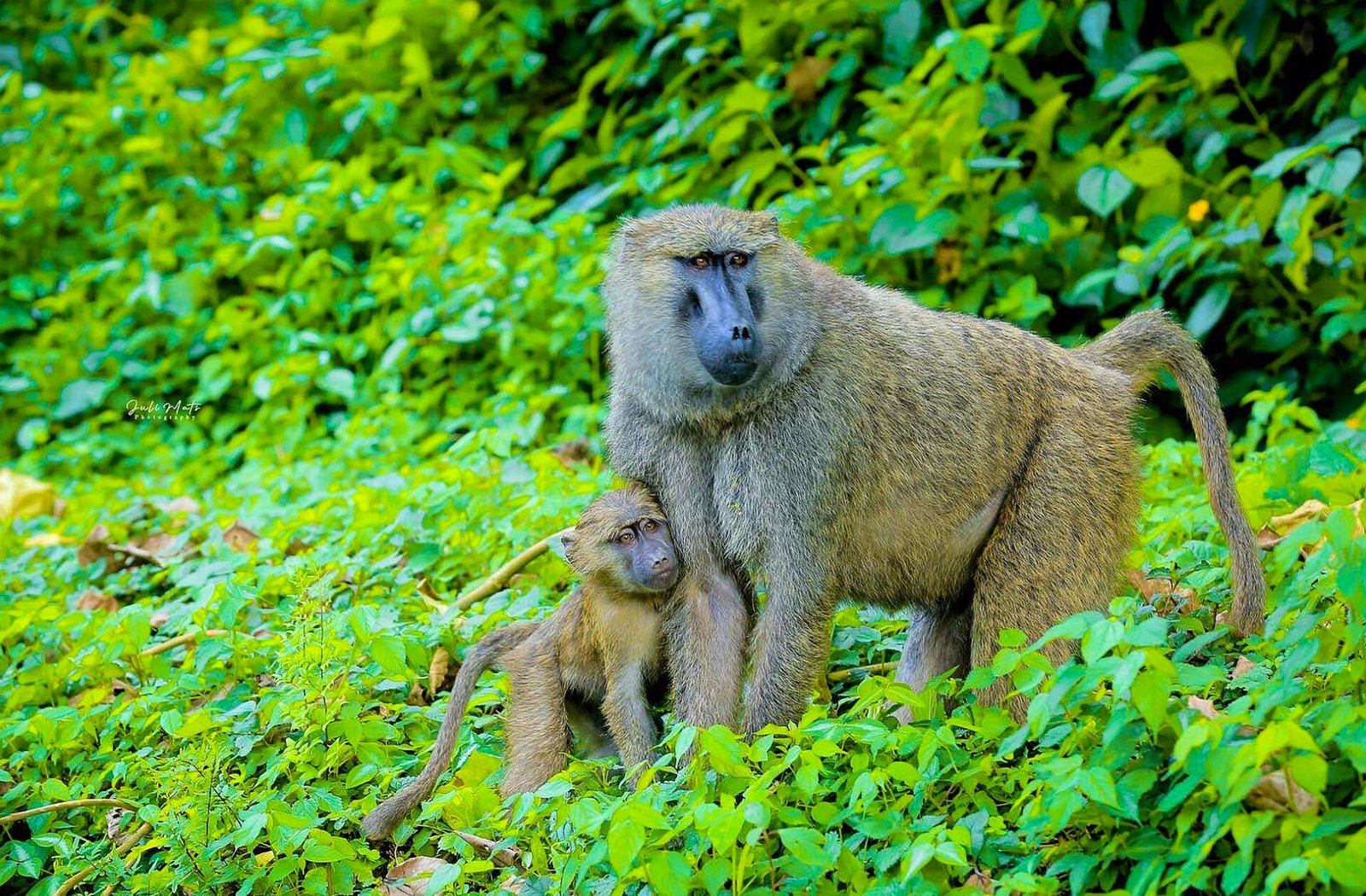
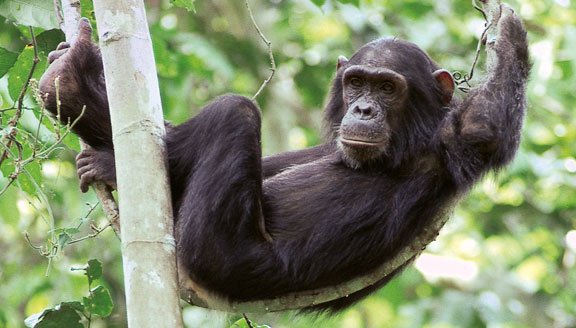
A Uganda gorilla safari rarely stands alone, and it shouldn’t. Bwindi’s forests hold over 90 mammal species and 11 primate species, including the black-and-white colobus monkey. Many of our guests pair their Bwindi trek with chimpanzee tracking in Kibale Forest, golden monkey trekking in Mgahinga, or a few days of a classic safari in Queen Elizabeth National Park.
Planning your Uganda gorilla tour
Between permit availability, sector selection, and matching lodges to your route, the logistics behind a smooth Uganda gorilla safari takes real local knowledge to get right. This is exactly where a good Uganda gorilla tours operator earns their keep — securing your permit early, choosing the sector that fits your fitness level and interests, and building the rest of your trip around that one unforgettable hour in the forest.
At Sankofa Afrika Safaris, we’ve built Uganda gorilla itineraries for first-timers and repeat trekkers alike, and we’re always happy to talk through dates, budgets, and which sector makes the most sense for you. Reach out to start planning your 2026 or 2027 gorilla trek.