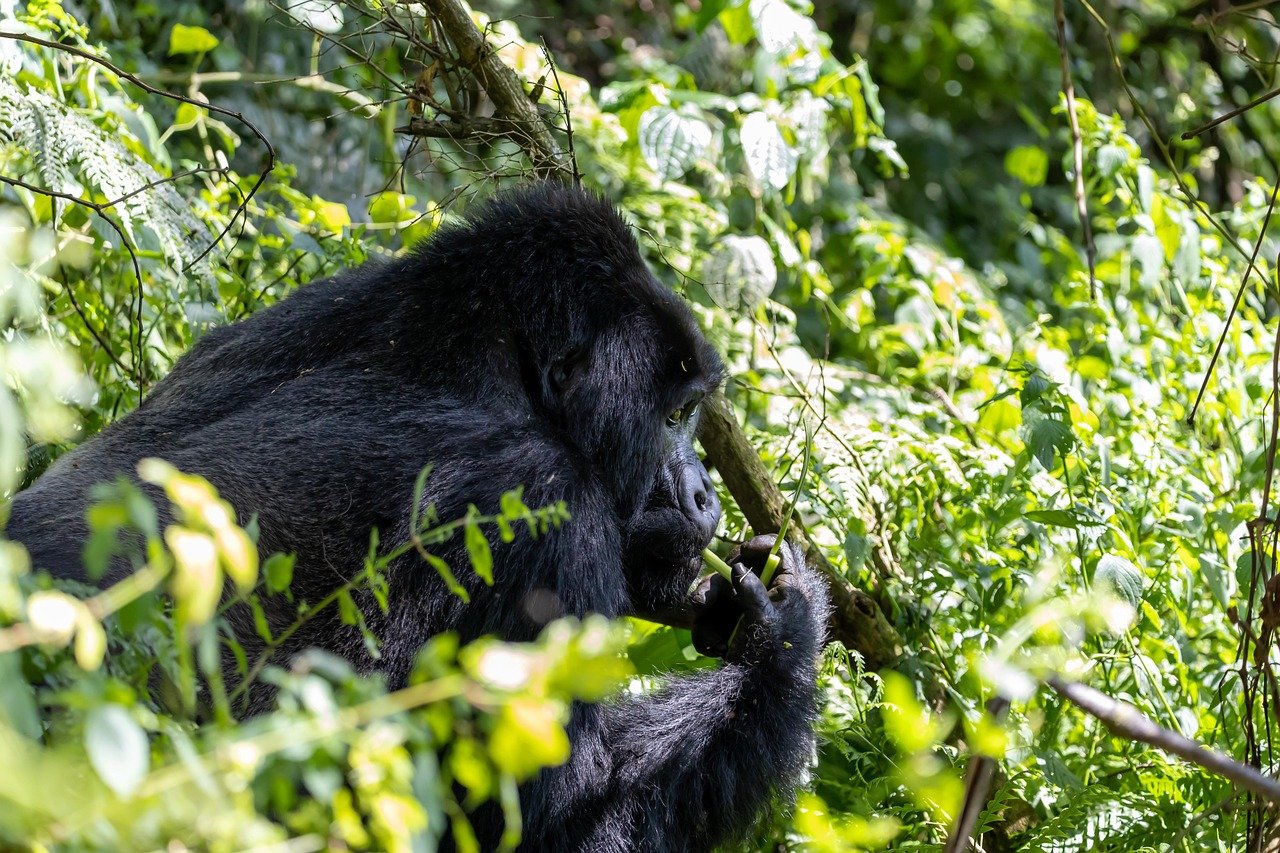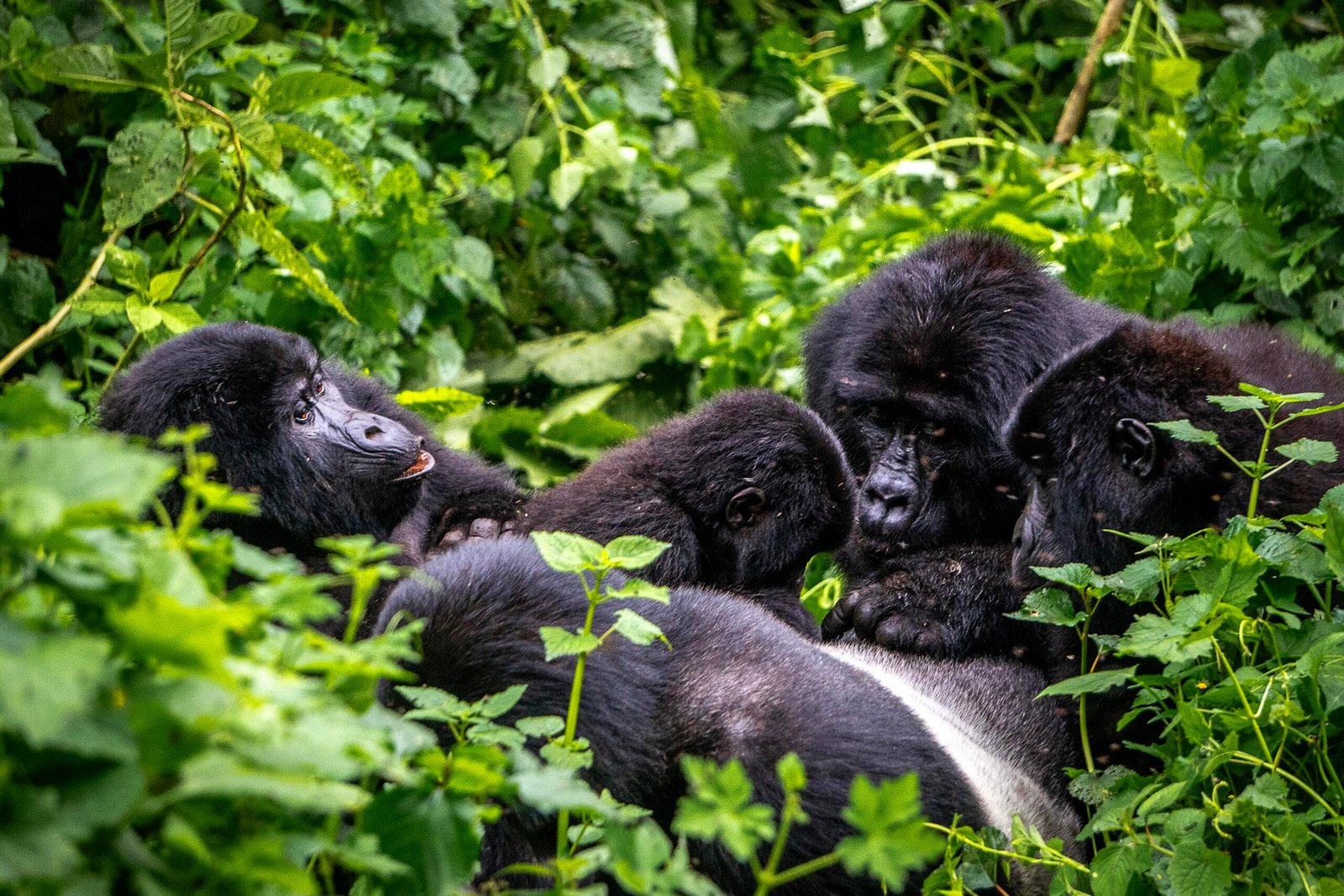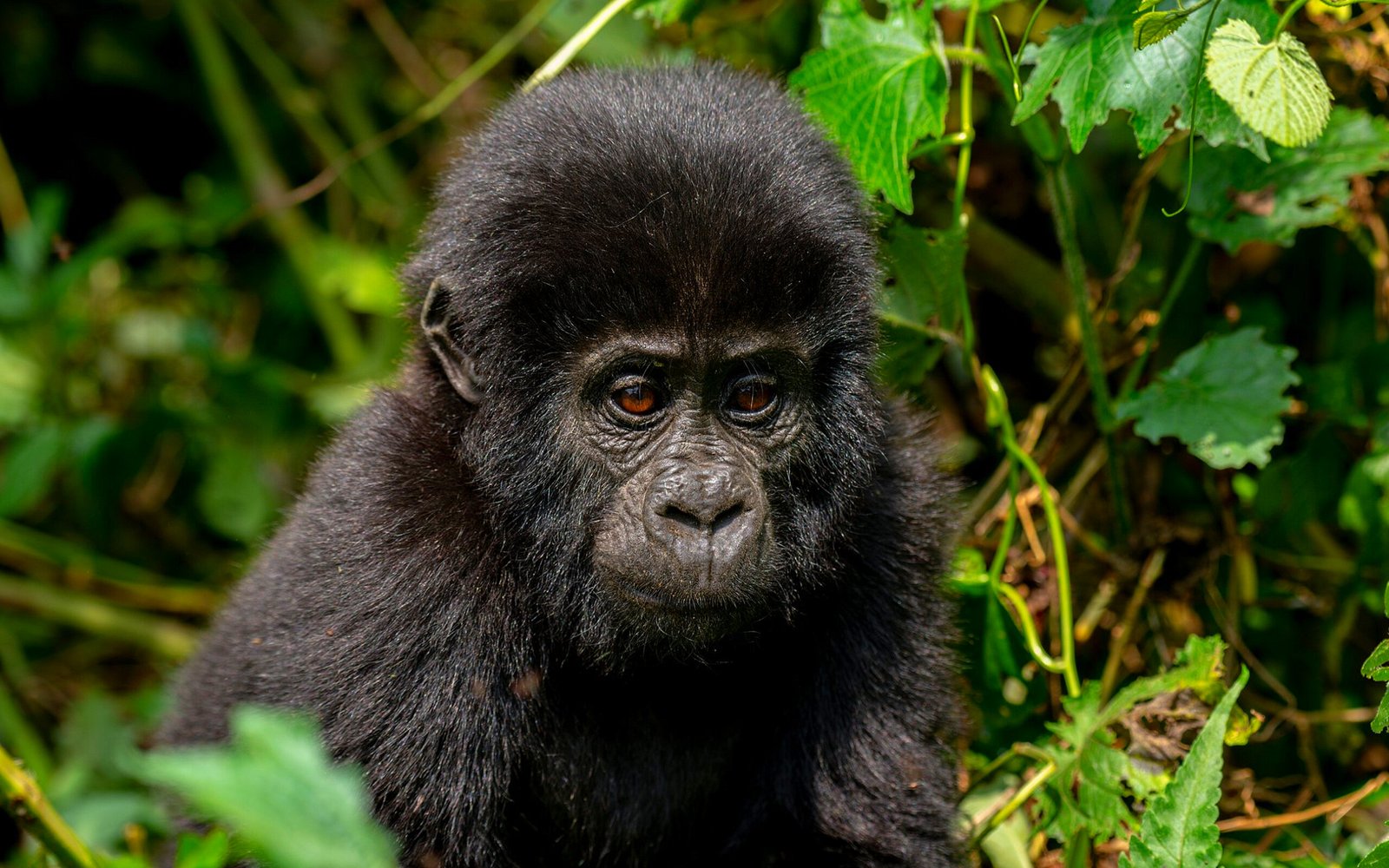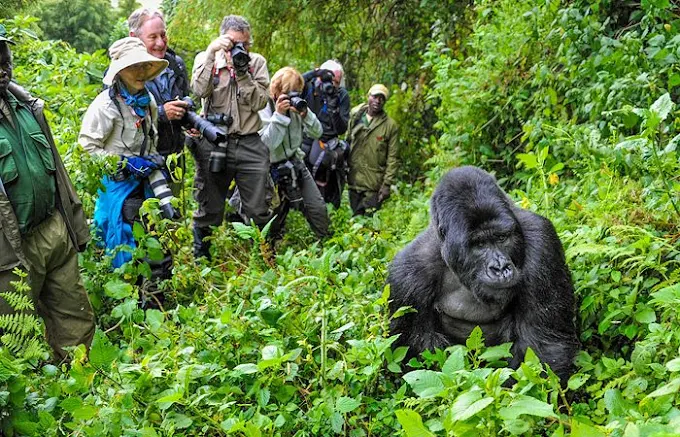
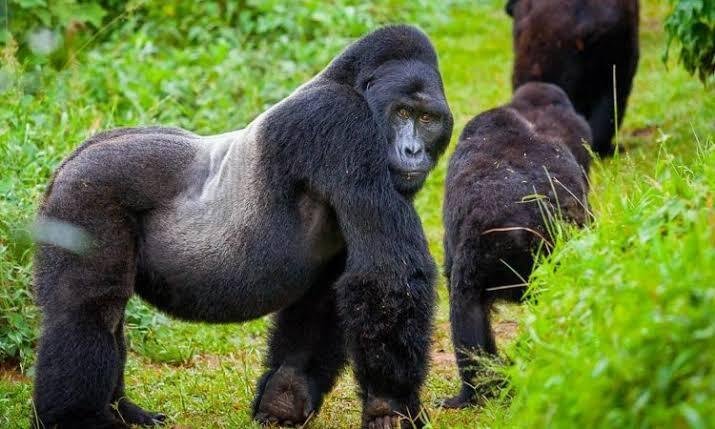
Mountain gorillas don’t follow a calendar. They live in the rainforest at elevation, and rain is part of daily life there whatever month you visit. So “best time” isn’t about guaranteed sunshine it’s about trade-offs between trail conditions, cost and crowds.
Dry Season: June–September & December–February
These months bring the firmest trails and the most predictable trekking conditions in Bwindi, Mgahinga and Rwanda’s Volcanoes National Park. Less mud means faster hikes to reach habituated gorilla families, which matters on terrain that can climb steeply through dense forest.
It’s also peak season. Permits $800 in Uganda and $1,500 in Rwanda for foreign non-residents sell out months ahead, especially July and August, so early booking is essential.
Rainy Season: March–May & October–November (Uganda’s short rains)
Rain is heavier and more frequent, trails get slippery and treks can take longer. But there are real upsides permits and lodge rates drop, parks are quieter and the forest is at its most vivid green. Uganda’s Wildlife Authority has even introduced discounted low-season permits for April, May, and November, cutting the non-resident rate from $800 to $600.
Gorillas themselves don’t change behavior with the seasons sightings remain reliably high year round since trackers locate each family fresh every morning.
Month by Month Snapshot
- Jan–Feb:Short dry spell, warm and clear — a good pre-peak-season window
- Mar–May:Main rains, muddiest trails, lowest prices, fewest crowds
- Jun–Sep:Long dry season, peak demand, book 6+ months ahead
- Oct–Nov:Short rains, transitional and often overlooked
- Dec:Dry conditions return, busy with holiday travelers
The Bottom Line
If firm trails and clear skies matter most aim for June–September or December–February. If you are looking for lower costs and fewer people on the trail, the shoulder months of March–May or October–November are worth considering.