La Maratón de Rwenzori: Cómo la carrera de montaña de Uganda está transformando el deporte, el turismo y Kasese
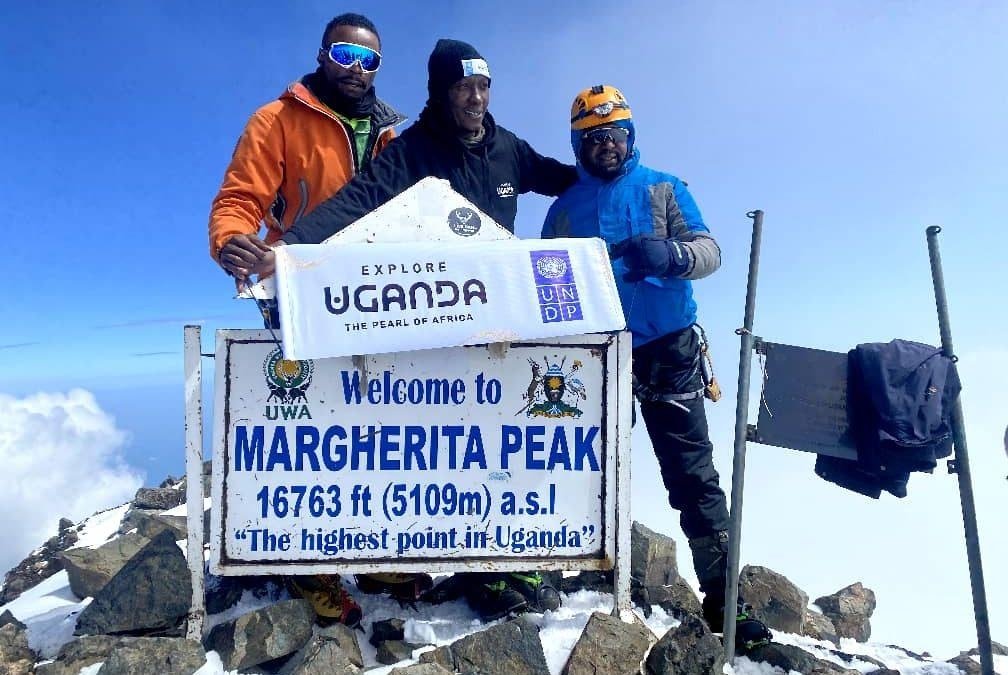
Sports Tourism · Kasese, Uganda The Rwenzori Marathon: How Uganda’s Mountain Race Is Transforming Sports, Tourism and Kasese What began in 2022 as an idea
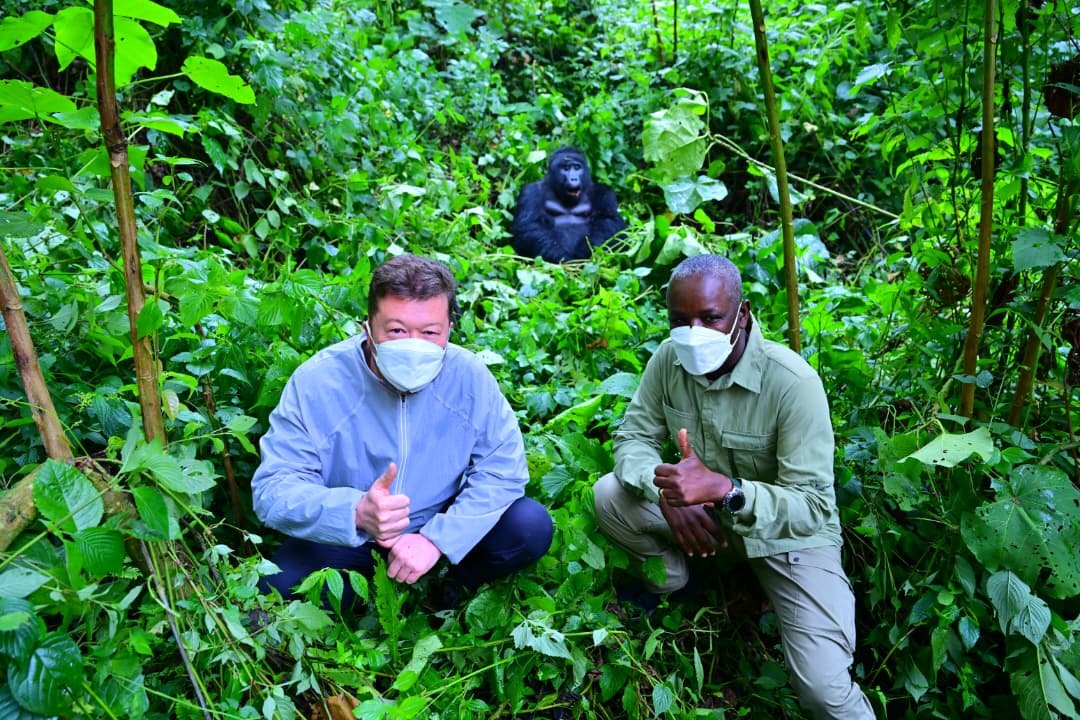
Una visita notable a Uganda: Acogiendo al Presidente de la República Checa
Uganda has always been a country that welcomes the world with open arms. From its extraordinary wildlife and breathtaking landscapes to its warm people and
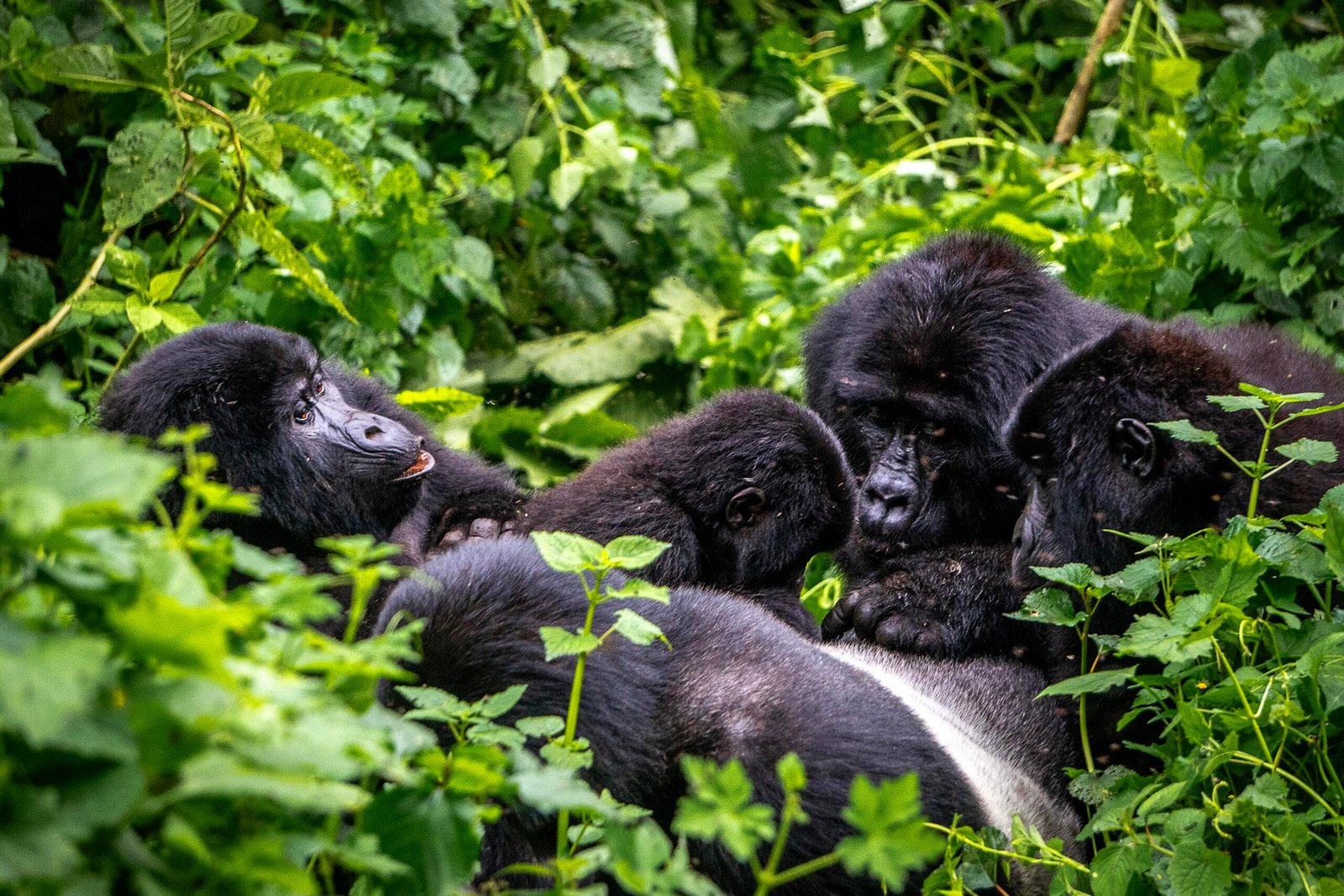
La guía definitiva para el trekking de gorilas en Uganda
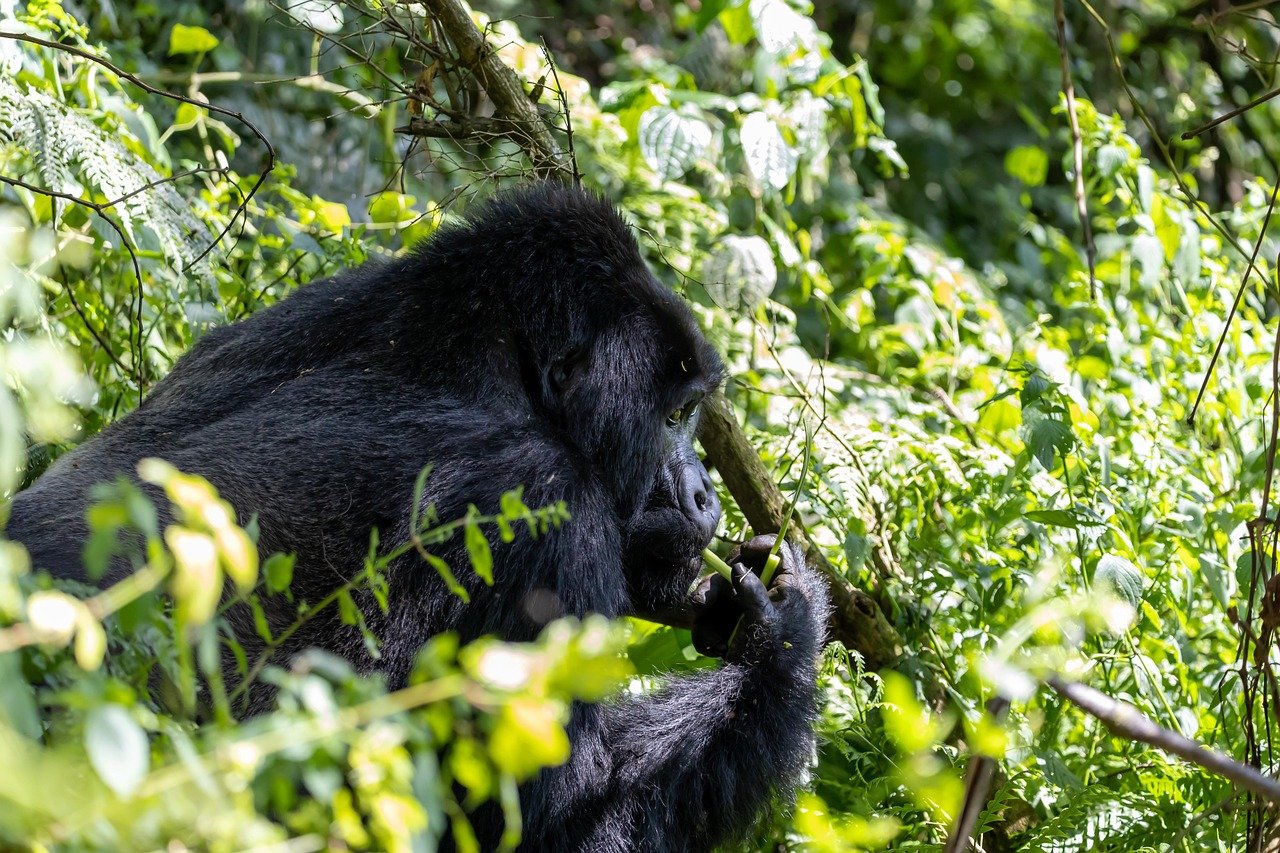
There’s a moment on every gorilla trek when the forest goes quiet and your guide raises a hand. Somewhere in the tangle of vines a
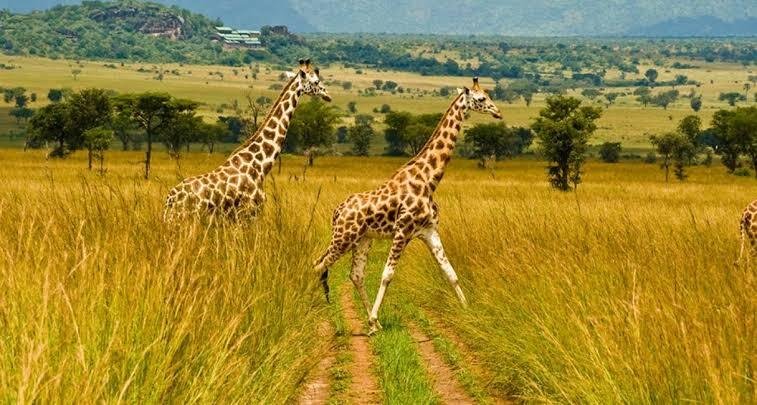
¿Uganda vs Kenia vs Tanzania vs Ruanda: ¿Qué safari es mejor?
There’s no single “best” East African safari country each one is genuinely strong at something different, and the right choice depends on what you actually
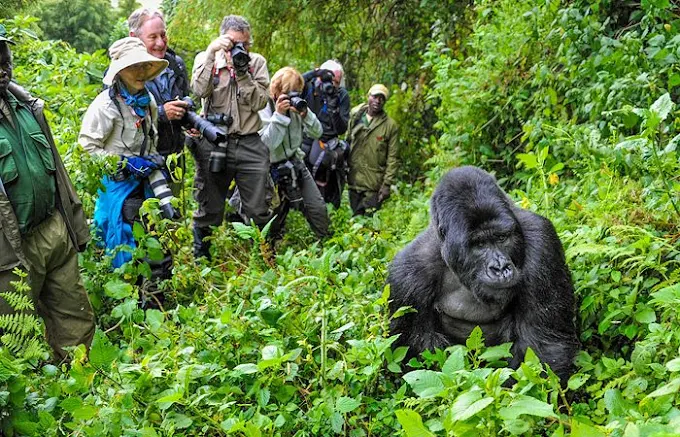
Todo lo que necesitas saber sobre el trekking de gorilas en Ruanda
Two and a half hours after leaving Kigali, the road climbs into bamboo forest and volcanic peaks disappear into mist and somewhere up ahead, a
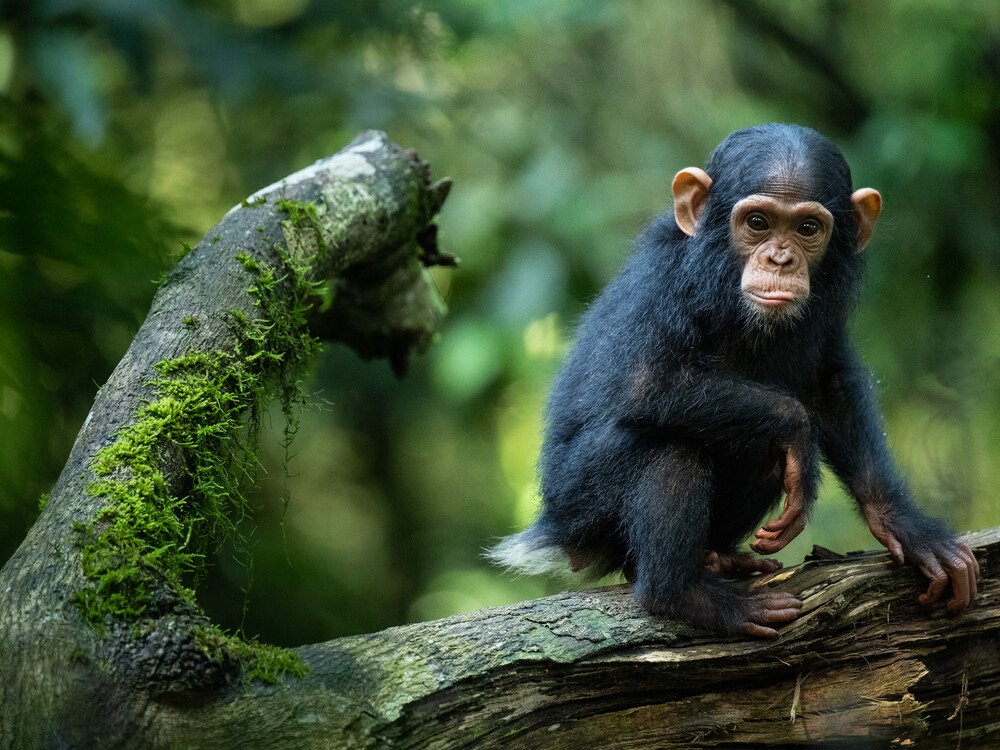
Habituation vs. Gorilla Trekking: What’s the Difference?
If you’ve been researching a gorilla safari, you’ve probably come across two different terms being used almost interchangeably “gorilla trekking” and “gorilla habituation experience.” They
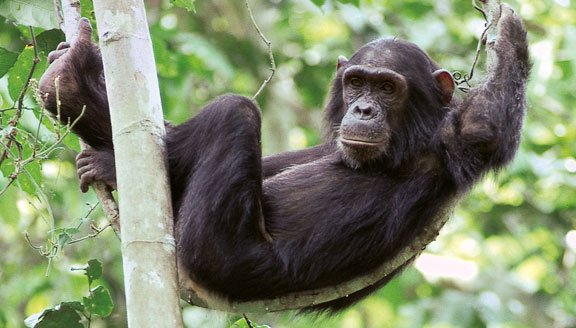
The Best Gorilla Trekking Photography Tips
Photographing Gorillas is one of the harder wildlife photography challenges out there: dim rainforest light, a dark-furred subject, no flash allowed, and just one hour
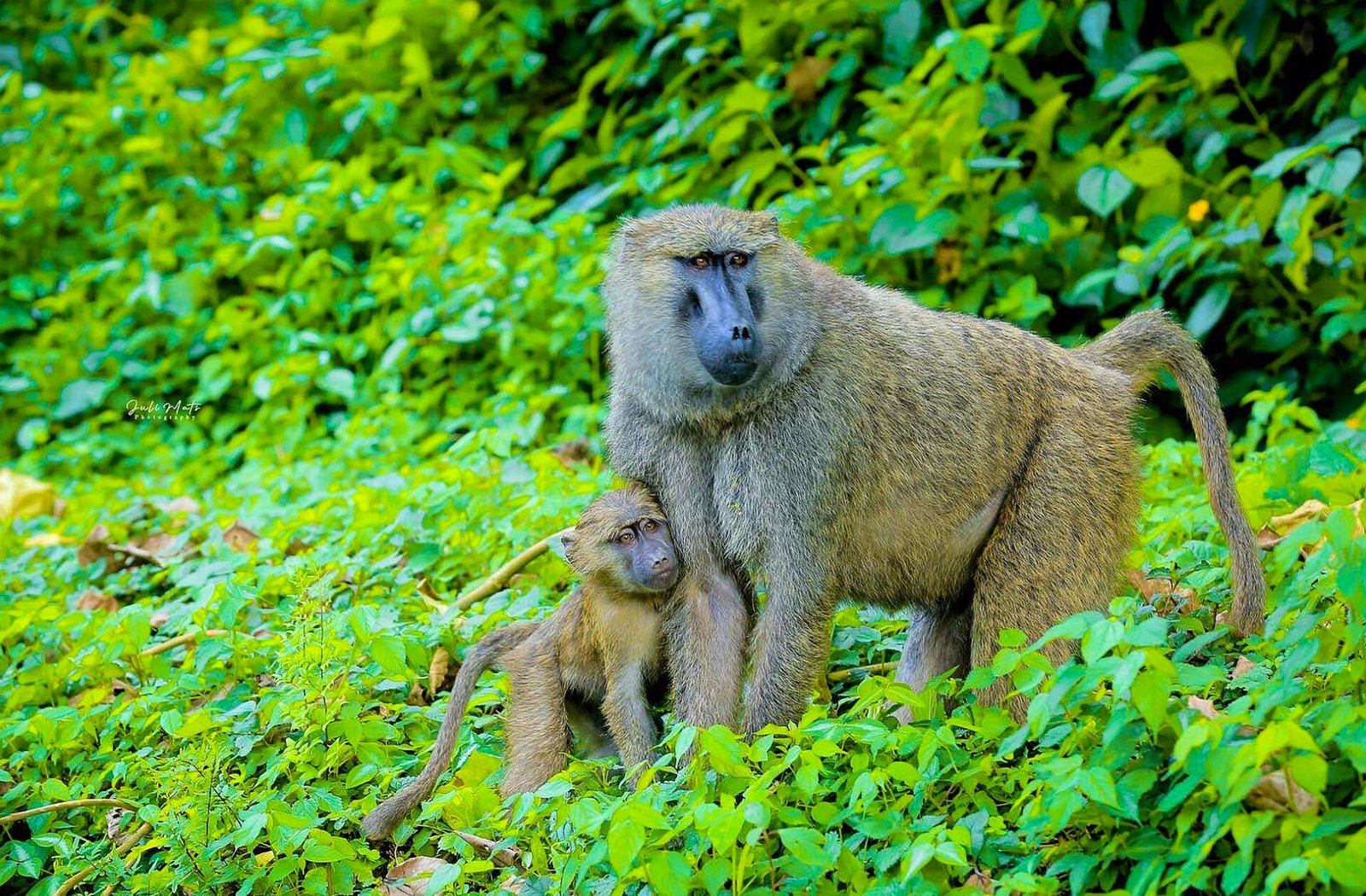
What to Pack for Gorilla Trekking
Your gorilla permit is the expensive part. Getting your packing list wrong is the part that actually ruins your morning cold hands, soaked boots or
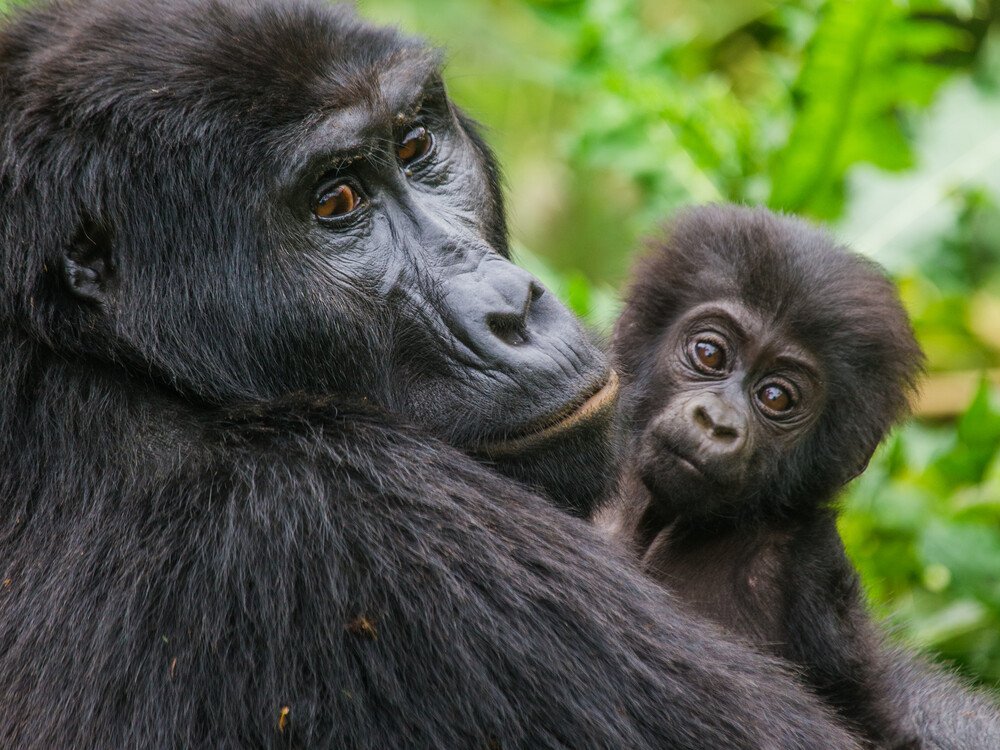
How Many Gorilla Families Are in Bwindi and Volcanoes National Park?
If you’re choosing between Uganda and Rwanda for gorilla trekking, the number and character of habituated families is one of the more practical things to
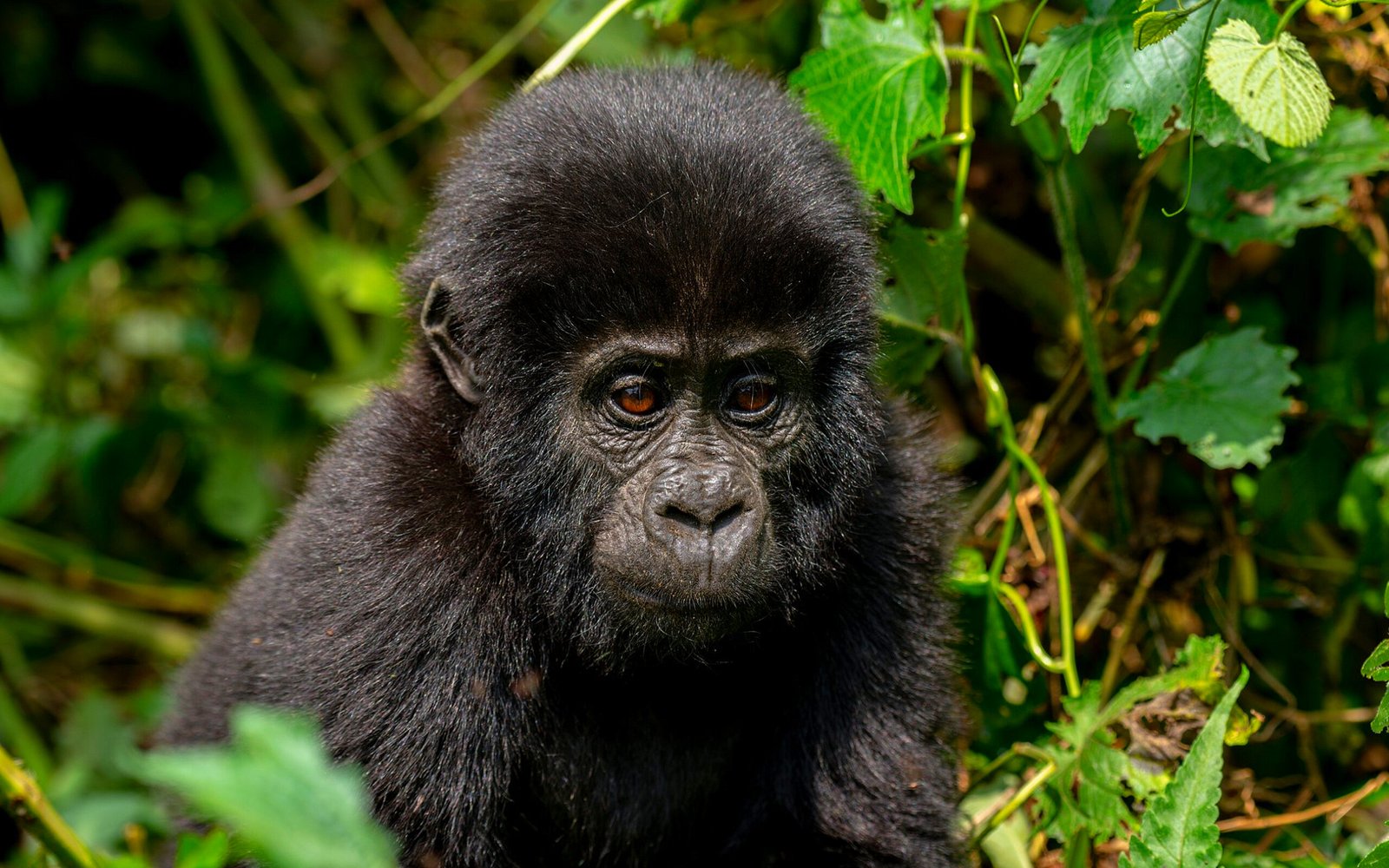
Gorilla Conservation Efforts in Africa: Where Things Stand
Mountain gorillas were once projected to go extinct by the year 2000. Instead, their population has climbed to just over 1,000 individuals across the Virunga