Ask most travelers what “the Big Five” means and they will say the five most impressive animals in Africa. That’s true today but it’s not why the term exists.
History: A Hunting Term, Repurposed
Big-game hunters coined the phrase in the late 19th century to name the five animals considered most dangerous and difficult to hunt on foot: lion, leopard, elephant, rhinoceros and buffalo. It was never about size or popularity a hippo kills more people annually than any of the Big Five, but it wasn’t part of the list because it didn’t fit the hunting criteria on land.
As trophy hunting gave way to photographic safaris through the 20th century, the term survived and simply changed hands from hunters checklist to travelers bucket list.
Where to See Them
- Lion:Widespread across East and Southern Africa; Uganda’s Queen Elizabeth and Ishasha sectors are known for tree-climbing lions, a rare behavior seen in few other populations
- Leopard:Elusive and mostly nocturnal; South Africa’s private reserves offer some of the most consistent sightings, though Uganda’s parks hold healthy populations too
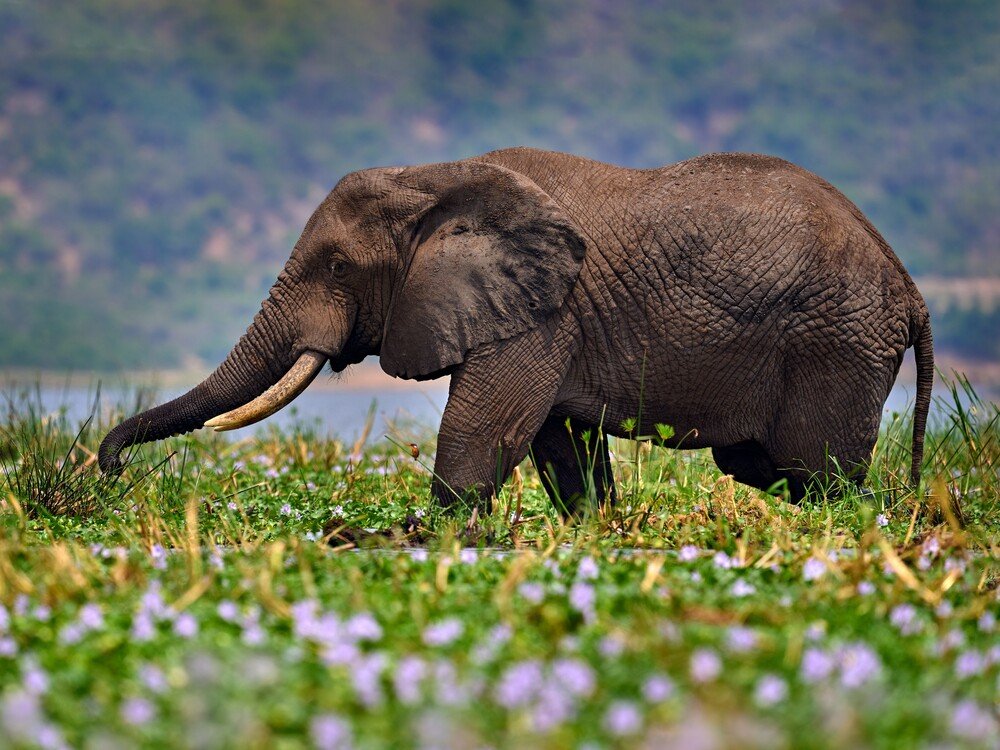
- Elephant:Reliable sightings across nearly every major East and Southern African park, including Uganda’s Murchison Falls and Queen Elizabeth
- Rhinoceros:The rarest to find in the wild; South Africa holds the vast majority of Africa’s remaining rhinos, while Uganda’s Ziwa Rhino Sanctuary protects a growing tracked population
- Buffalo: Common and often overlooked, found in large herds across nearly all major savanna parks
Fun Facts
- The Big Five isn’t about size a hippo or giraffe is bigger than a leopard, but neither made the original list
- Buffalo are considered the most unpredictable of the five by rangers, precisely because they’re so commonly encountered
- Rhino populations in Africa are split between white and black species, distinguished by lip shape rather than color both are actually grey.
Why It Still Matters
The irony of the Big Five is that a term born from hunting now funds conservation. Permit fees, park entry charges and safari revenue tied to spotting these five animals now underwrite anti-poaching and habitat protection across the continent turning a 19th-century hunter’s checklist into one of Africa’s most effective tools for keeping these species alive.